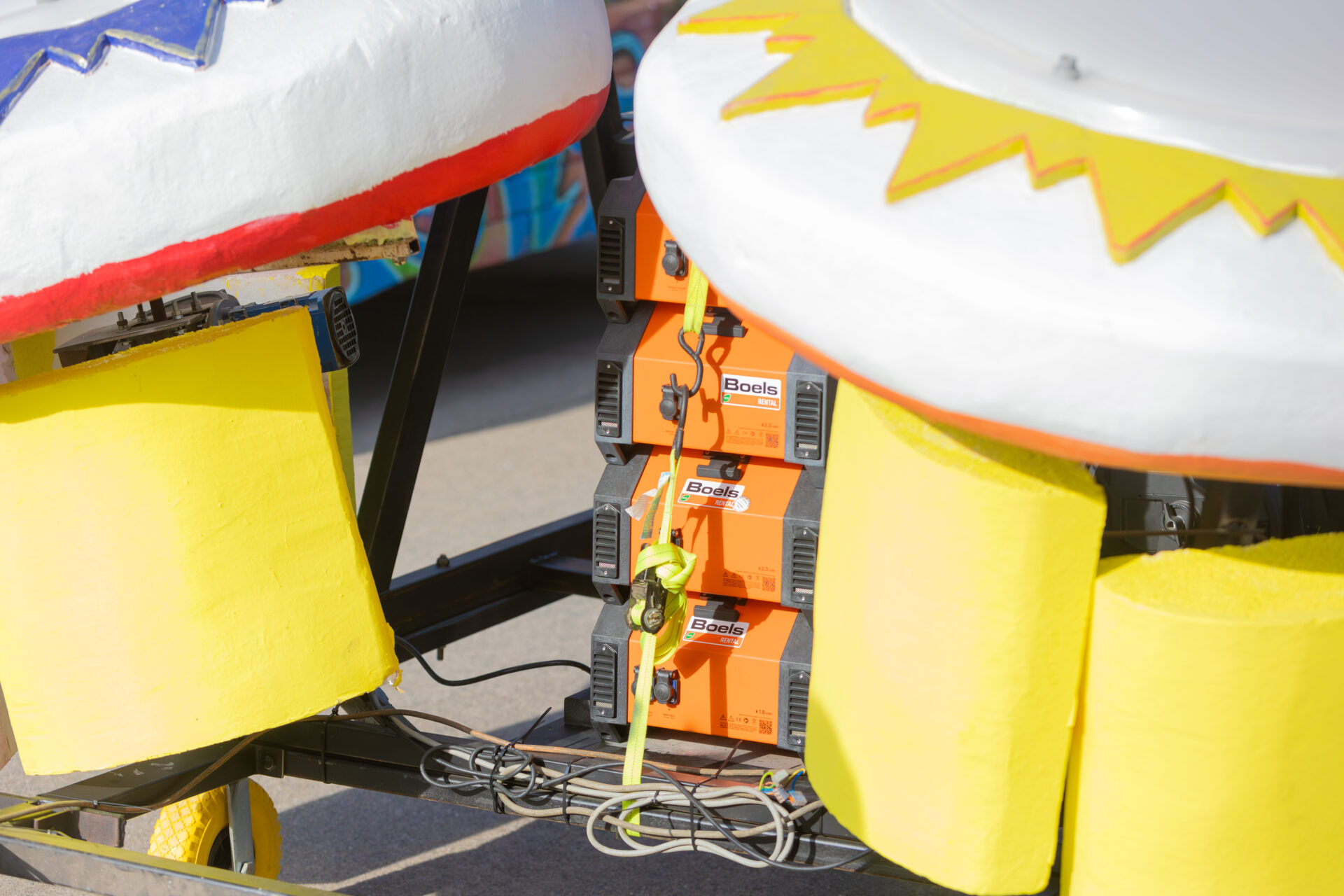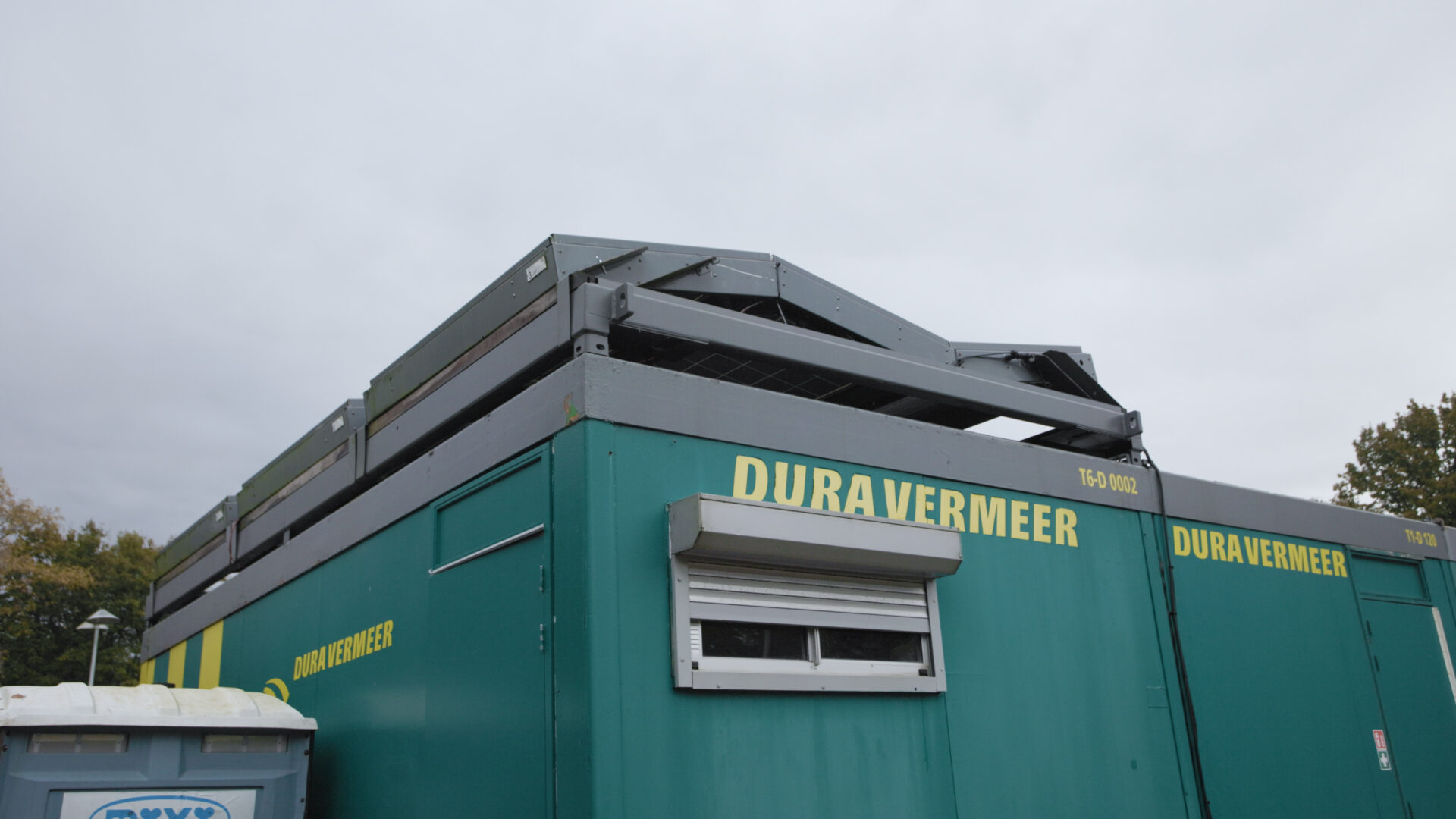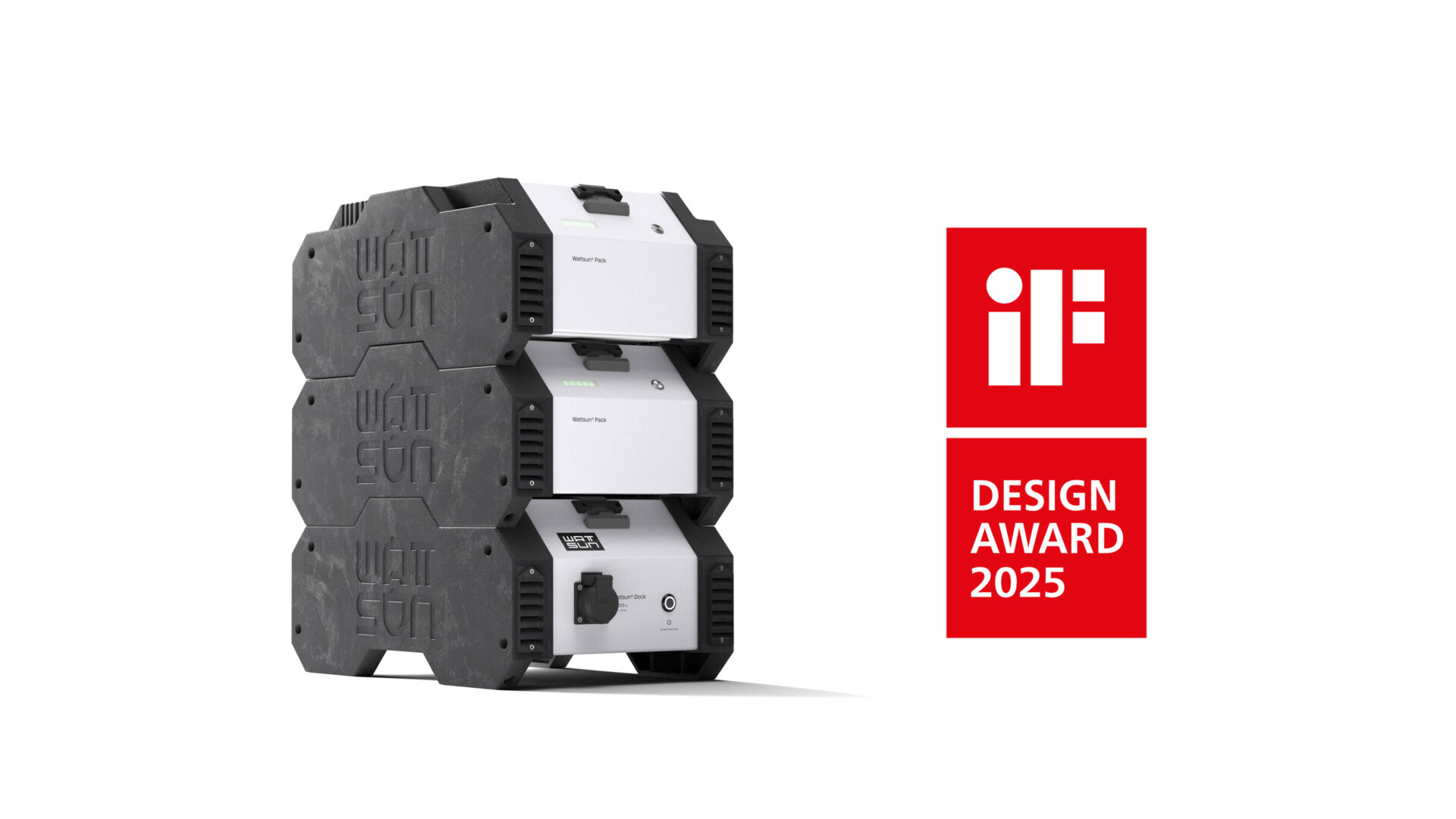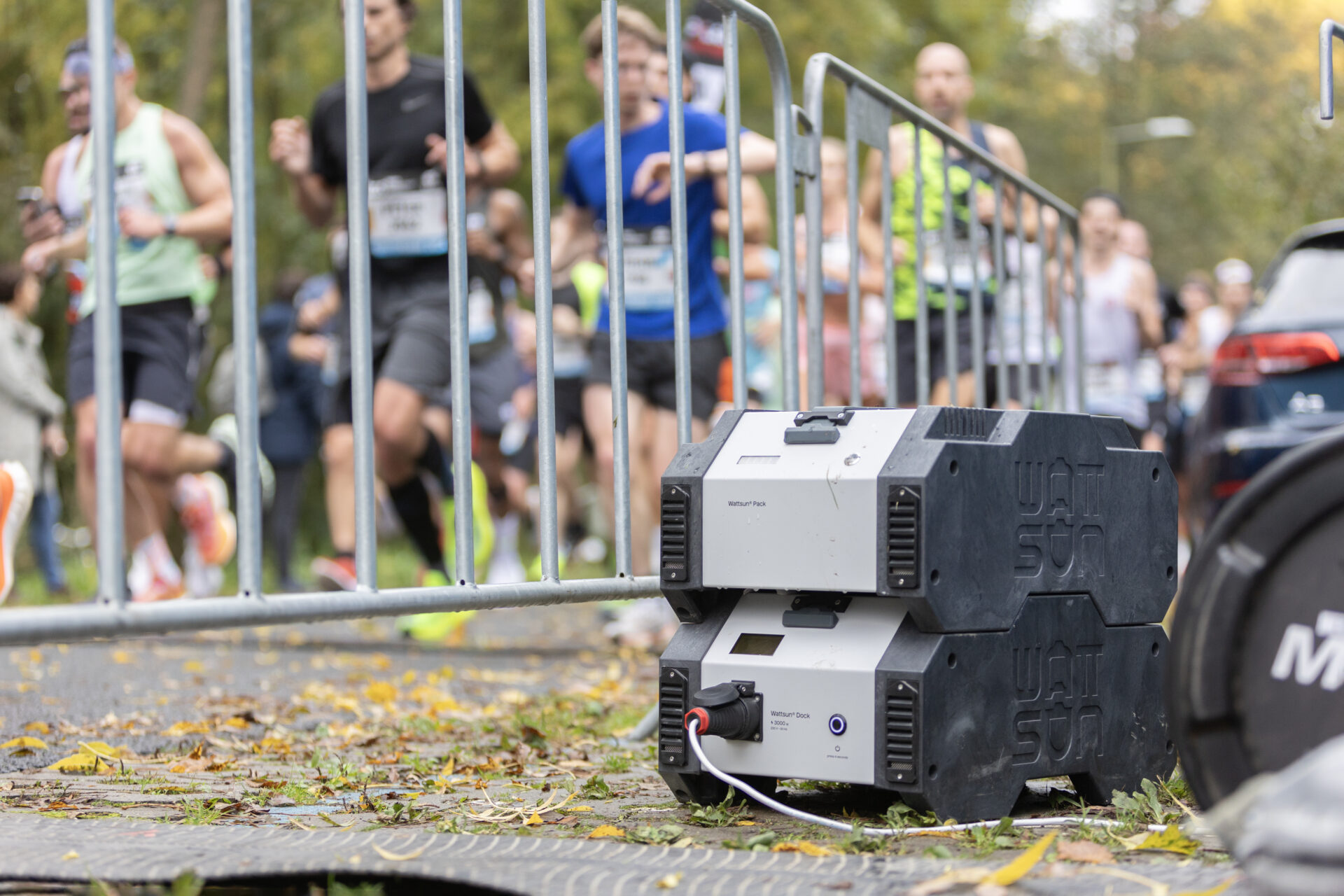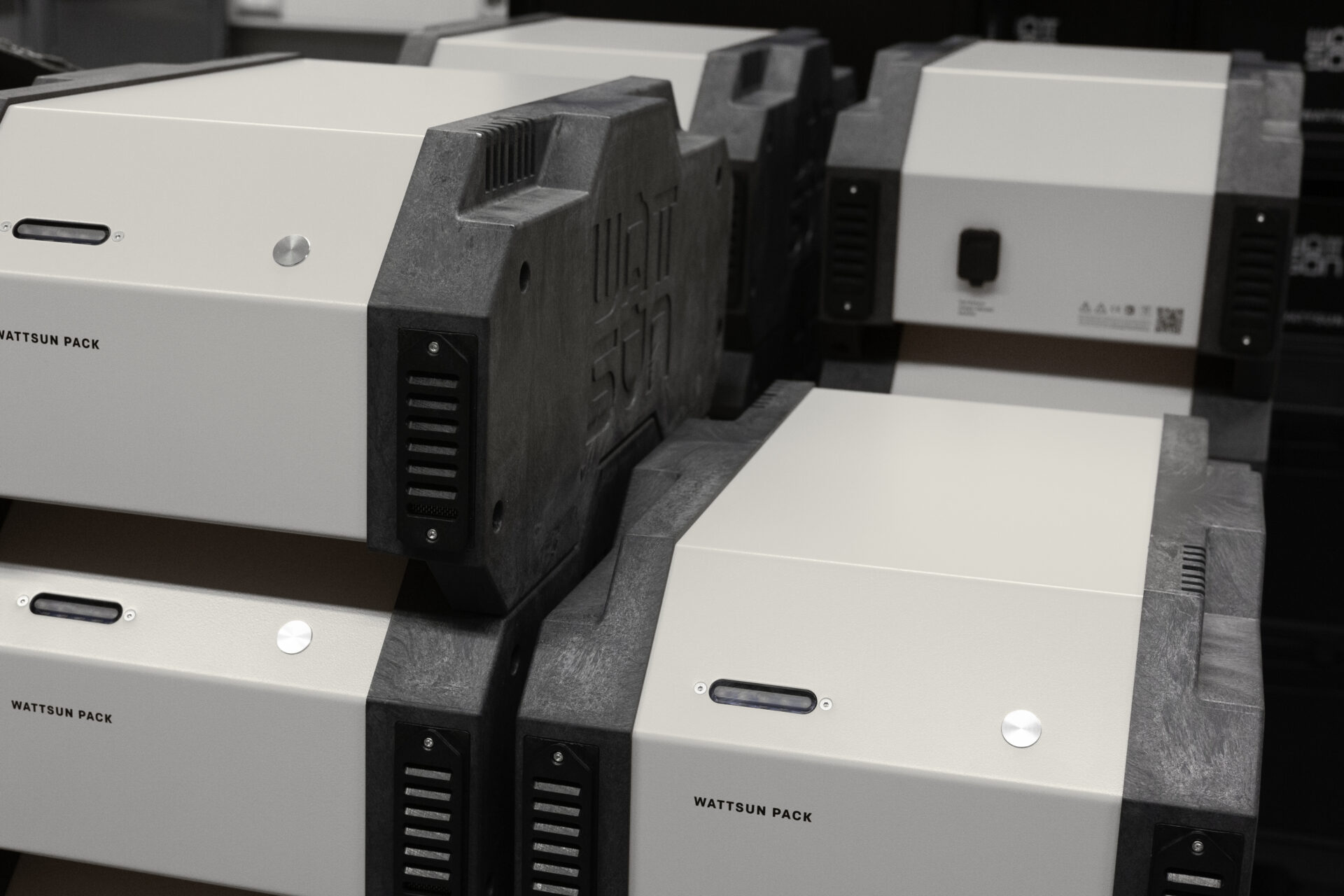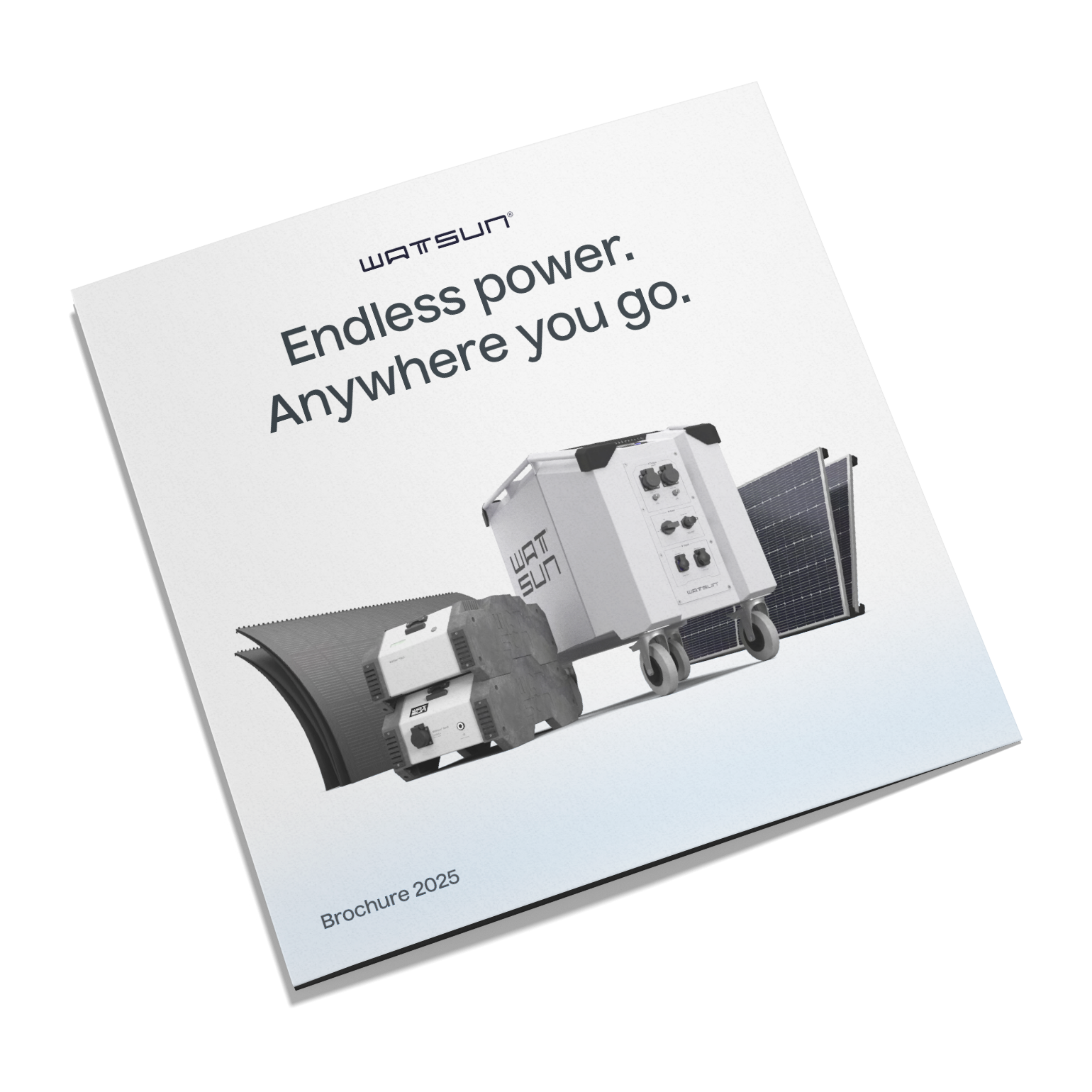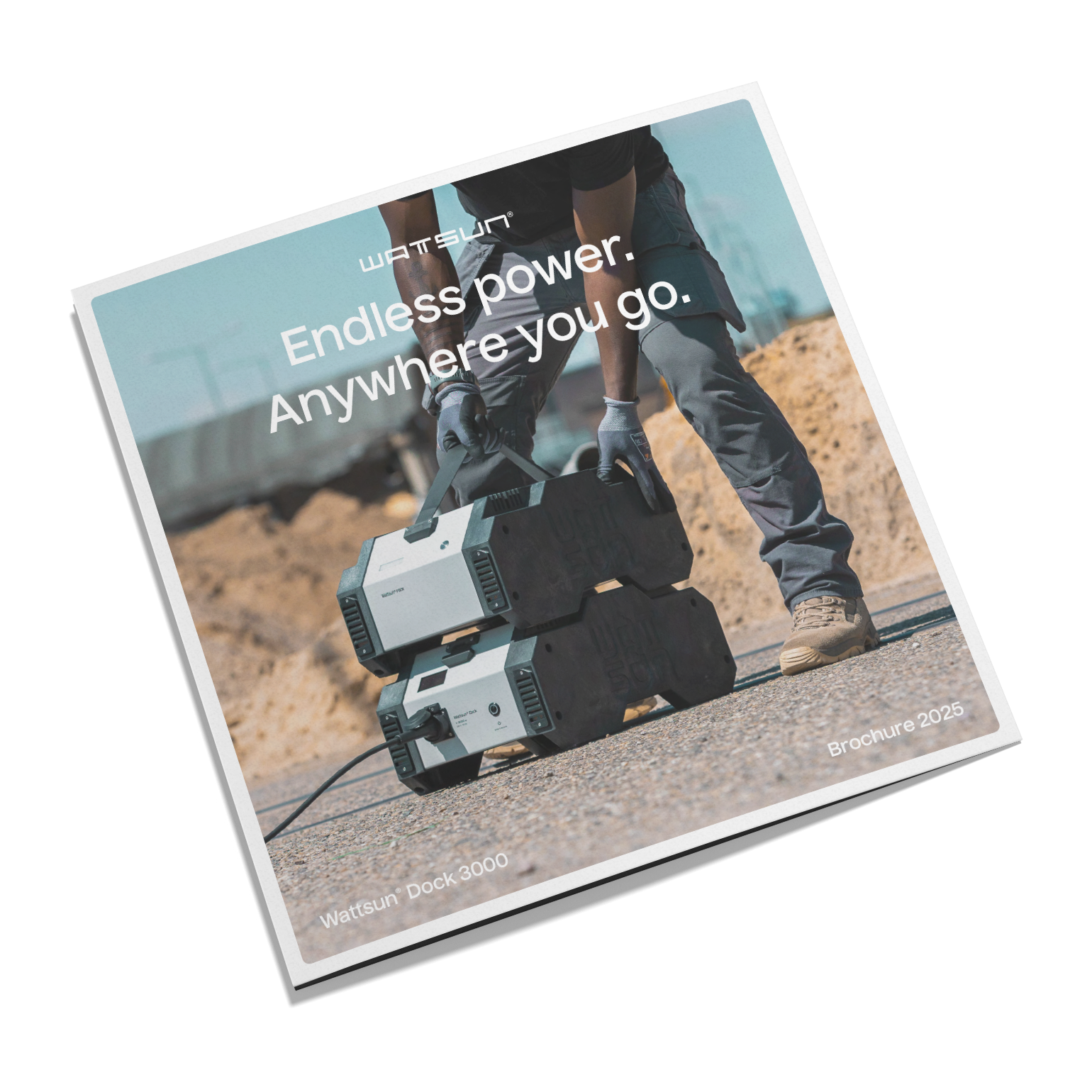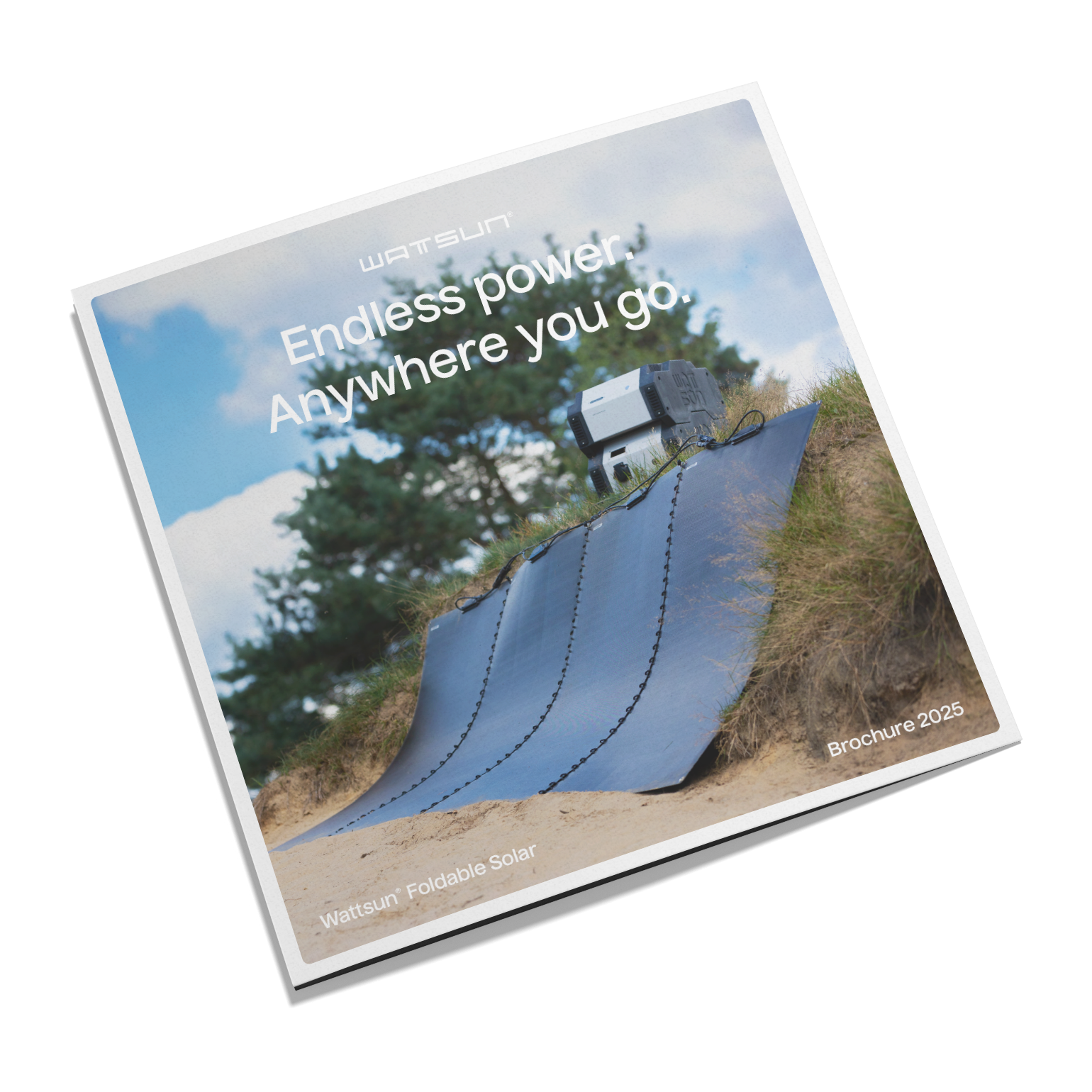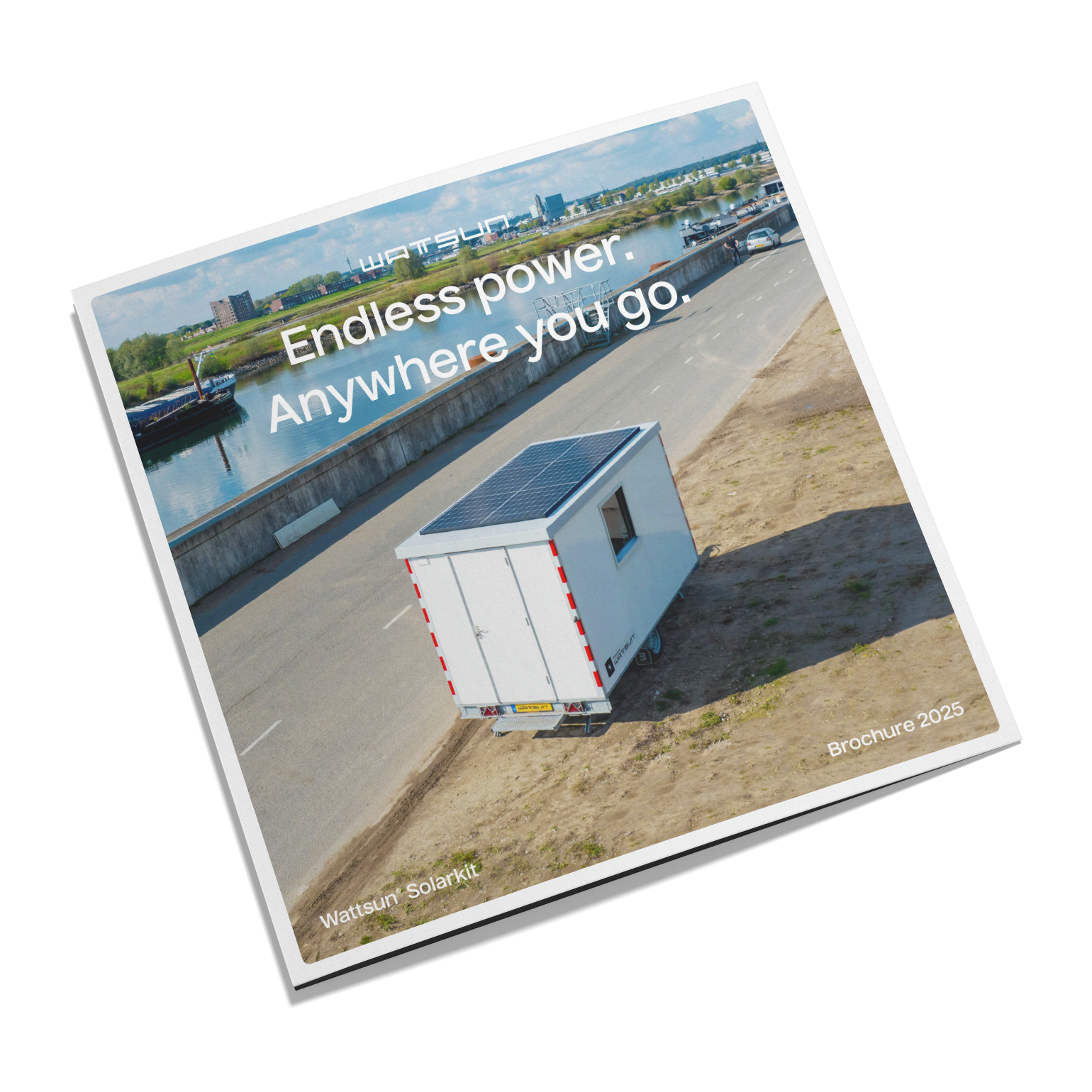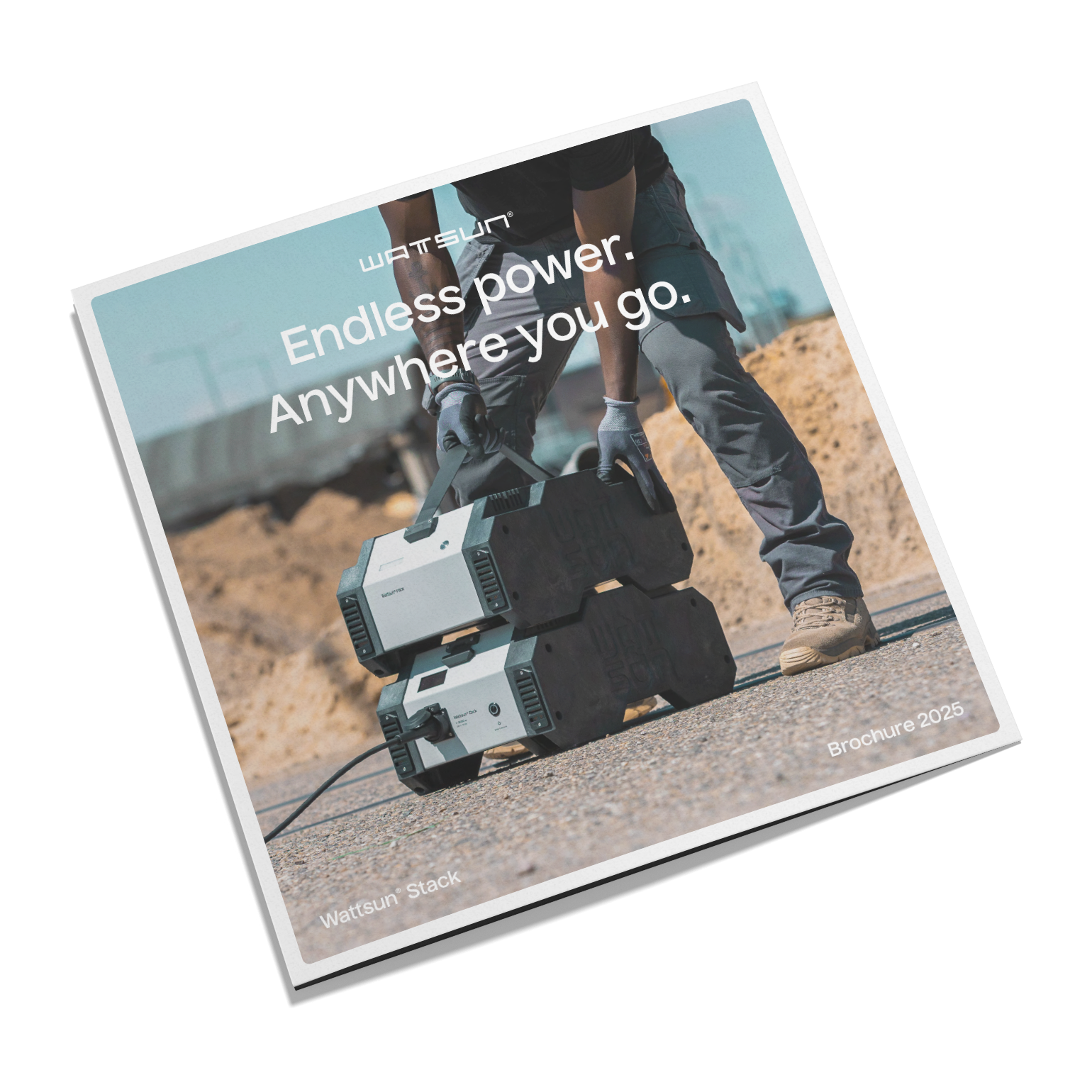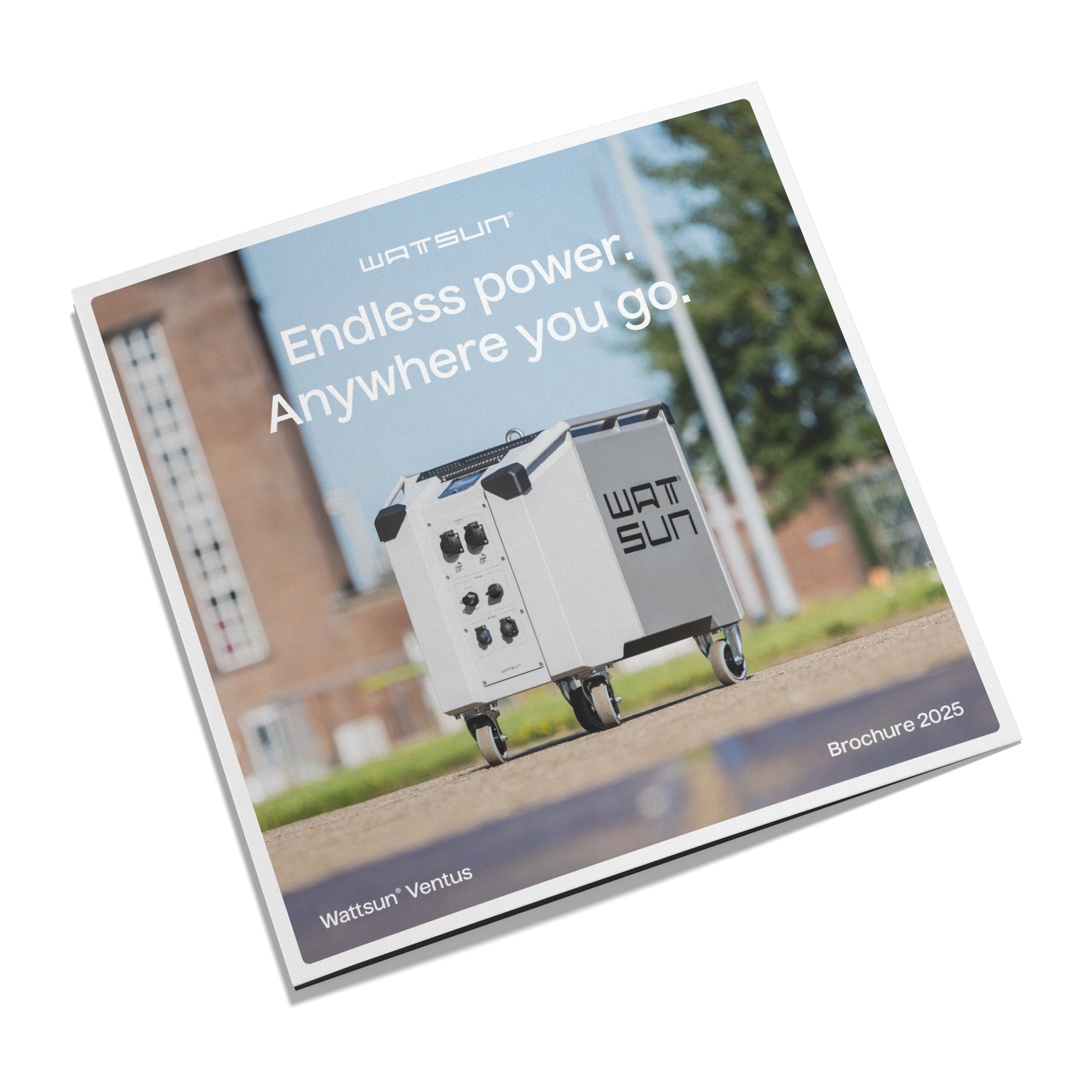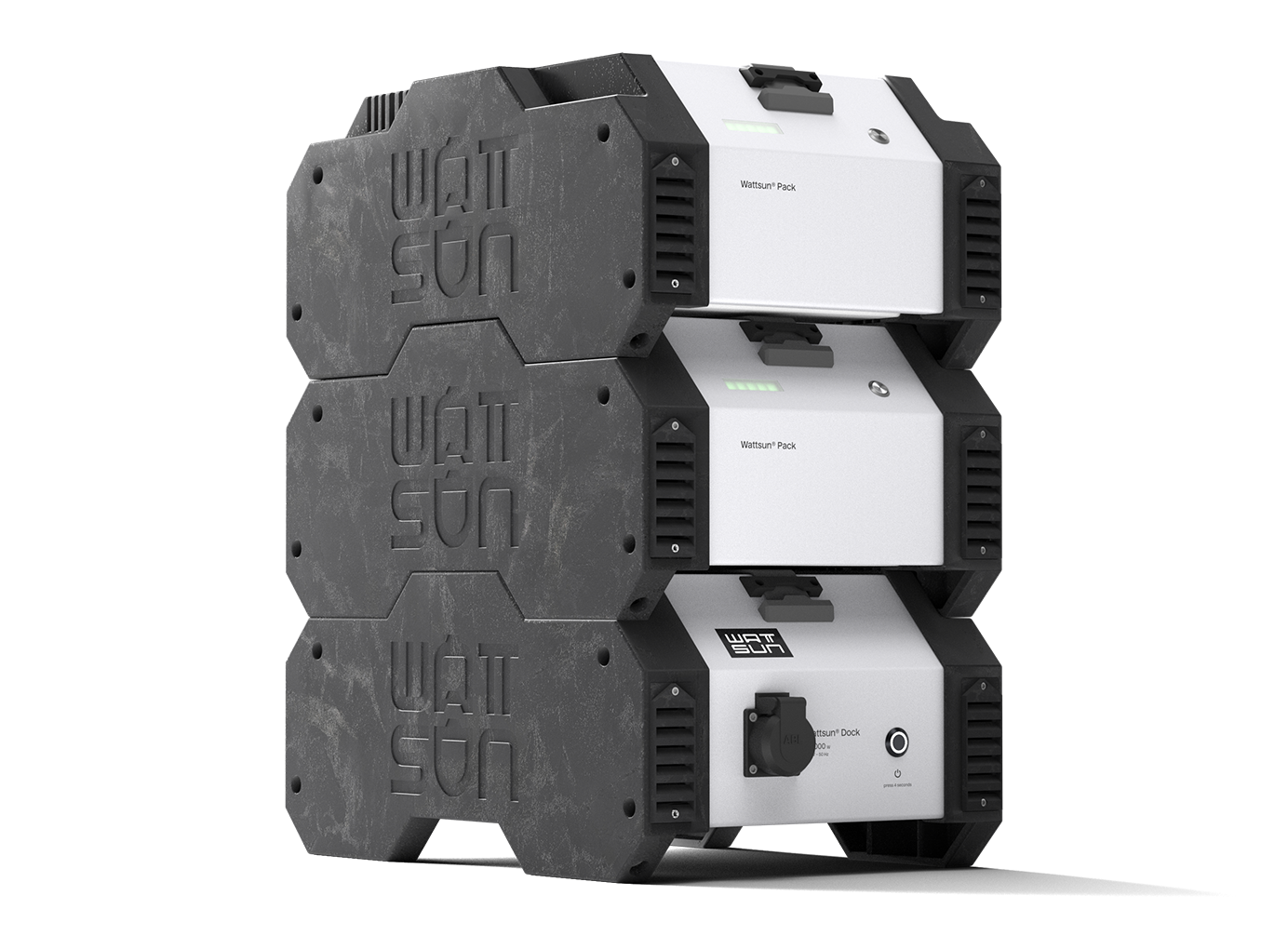
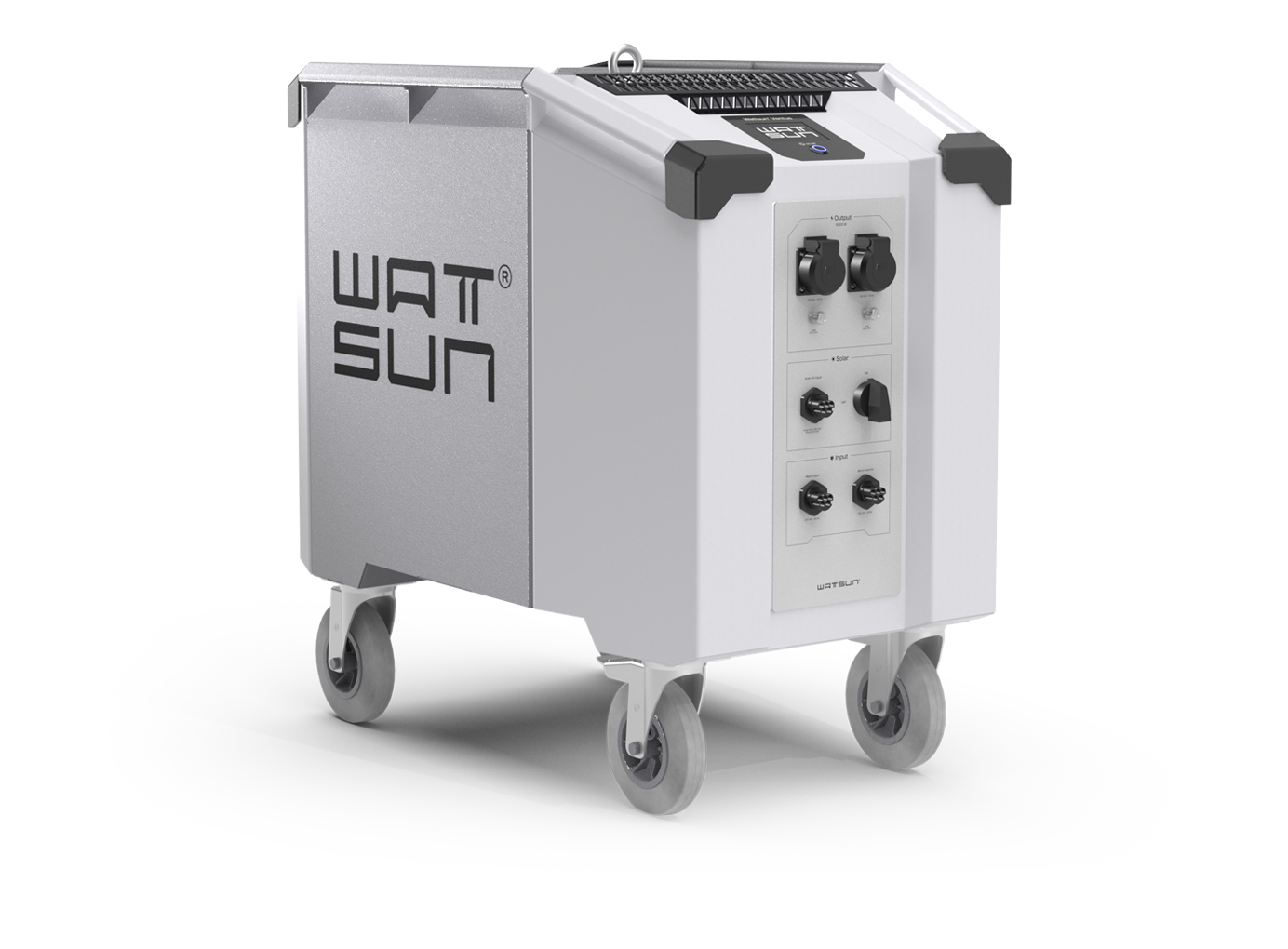



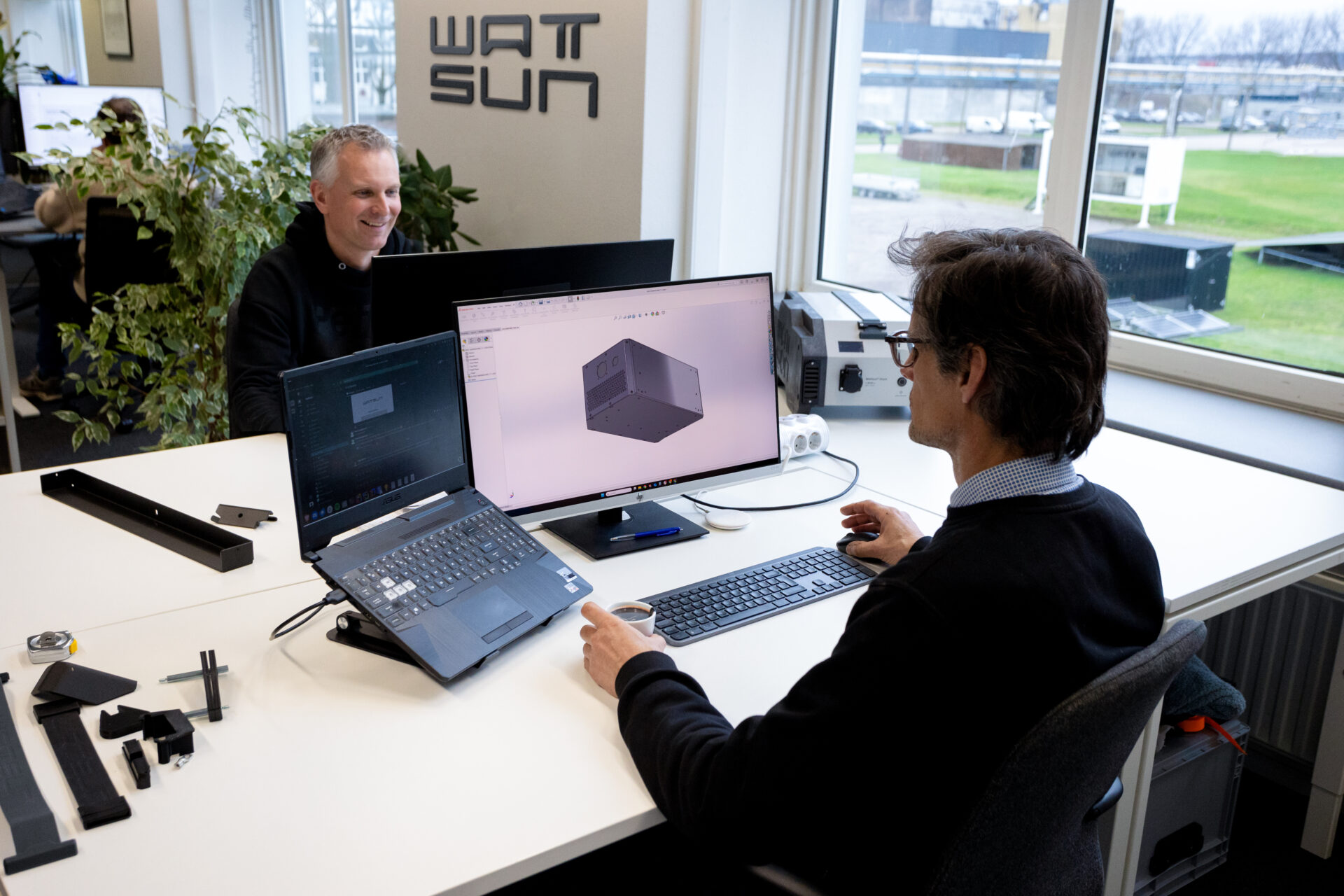
“The biggest challenge lies in combining three-phase power with mobility,” says Lead Engineer Marnix. “Three-phase power normally means heavy, fixed installations. We want the system to remain mobile. Something you can move around, deploy at changing locations, and still deliver the power and capacity needed on construction sites, at events, or for use by, for example, defense or emergency services.”
That mobility is therefore a strict requirement in the design. The system must be easy to move in multiple ways, for example with a forklift, in a company van, or by rolling or lifting the battery system on site. At the same time, it must be robust, with safety and reliability as top priorities. Senior Hardware Design Engineer Peter adds: “We design this system for real-world use. That means it must be able to take a hit, work reliably in rain, cold, and heat, and be deployable day in, day out. Indoors as well. Just like our current systems, but at a whole new power level.”