


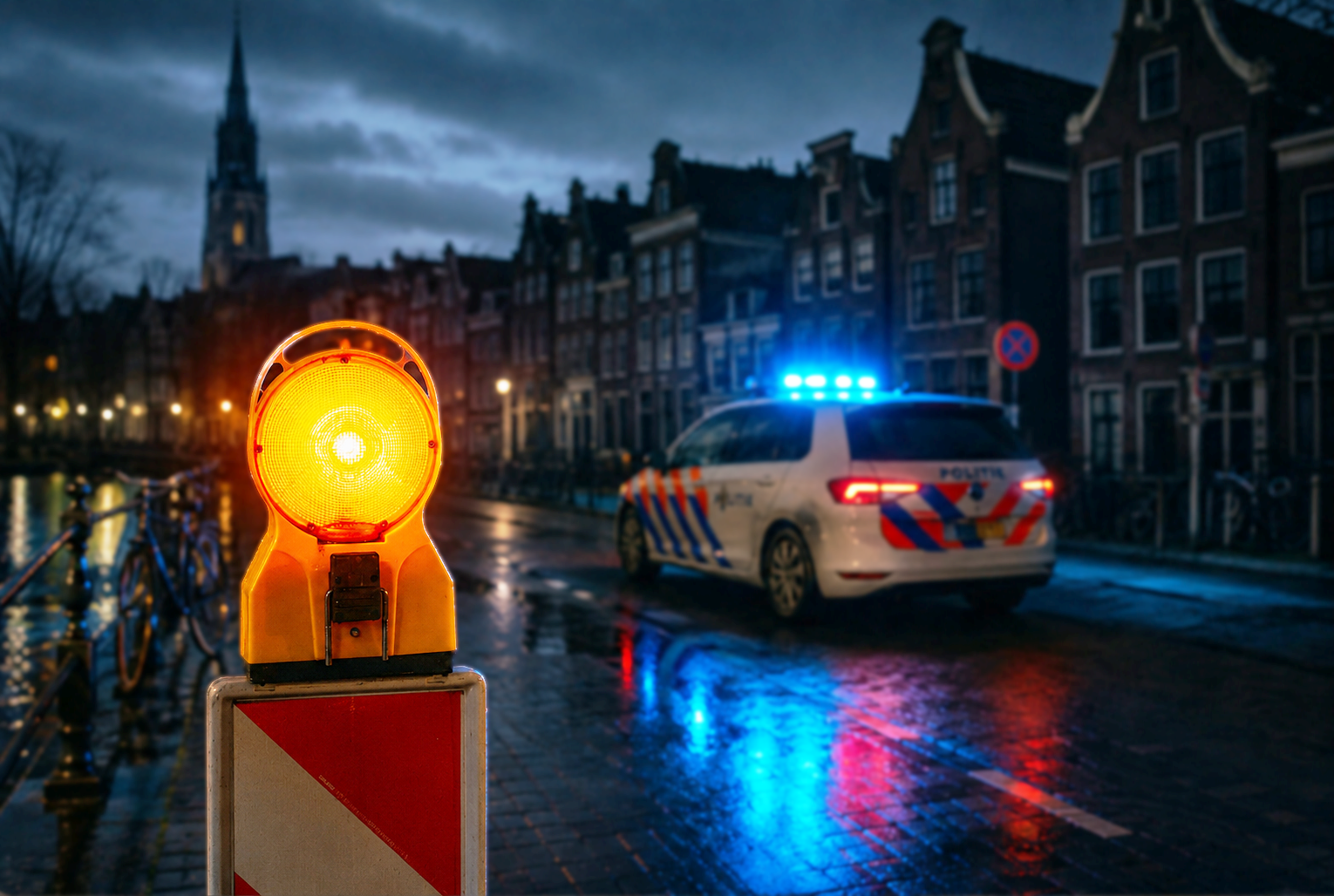
That scenario is less unrealistic than many people think. Our power grid is under increasing pressure due to rising demand, cyber threats, and technical failures. Netbeheer Nederland has been warning for some time that prolonged power outages are a real risk. As a result, municipalities and safety regions are taking preparations more seriously for situations in which parts of the Netherlands could be without power for several days.
What stops working without electricity?
The impact of a prolonged power outage goes far beyond lighting alone. Many processes we take for granted come to an immediate halt.
Communication systems fail. People can become trapped in elevators. Barriers remain closed. Payments no longer work. Fuel stations shut down. Traffic lights stop functioning.
It is precisely during those first 72 hours that a situation emerges in which emergency services, safety regions, and municipalities must be able to operate fully independently.
That is why the national government has given safety regions a clear responsibility: ensure that essential services remain operational, even without access to the power grid.
The role of mobile energy in crisis situations
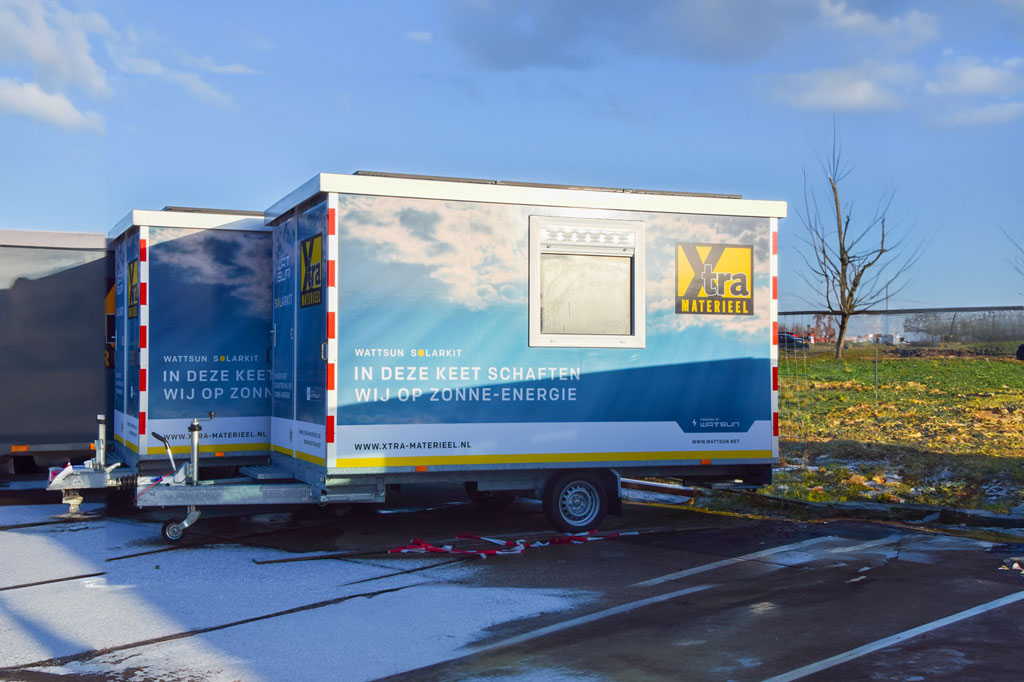
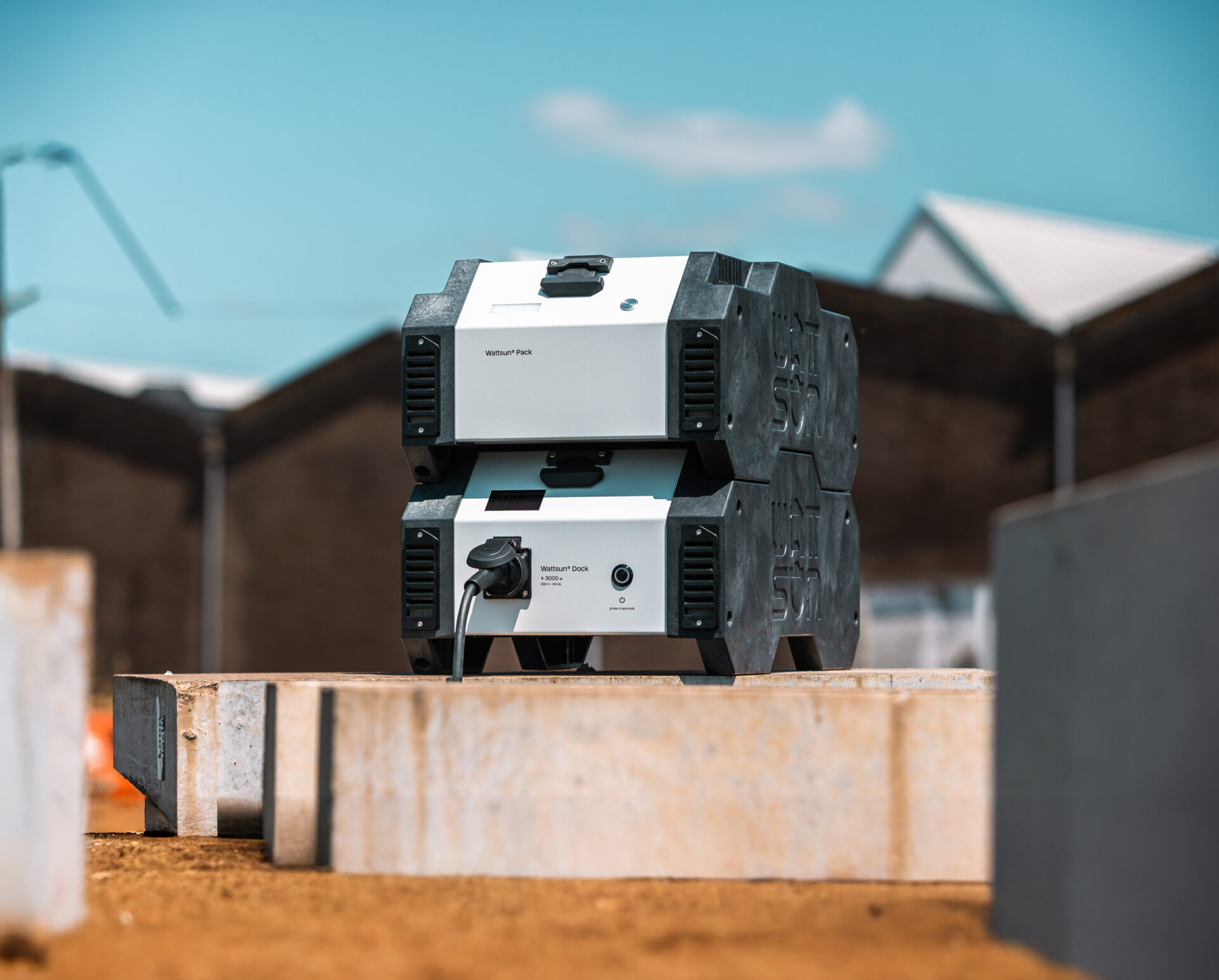
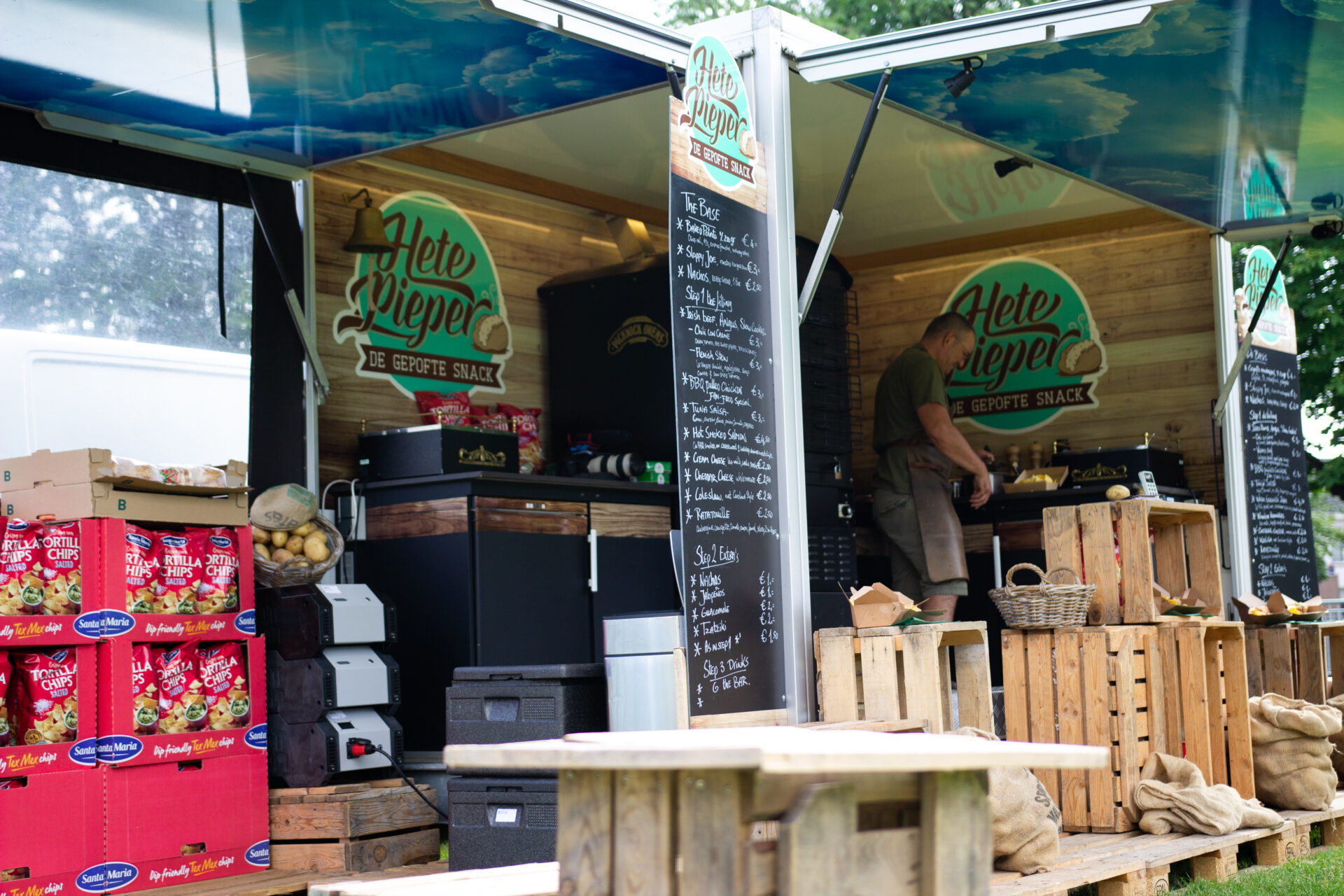
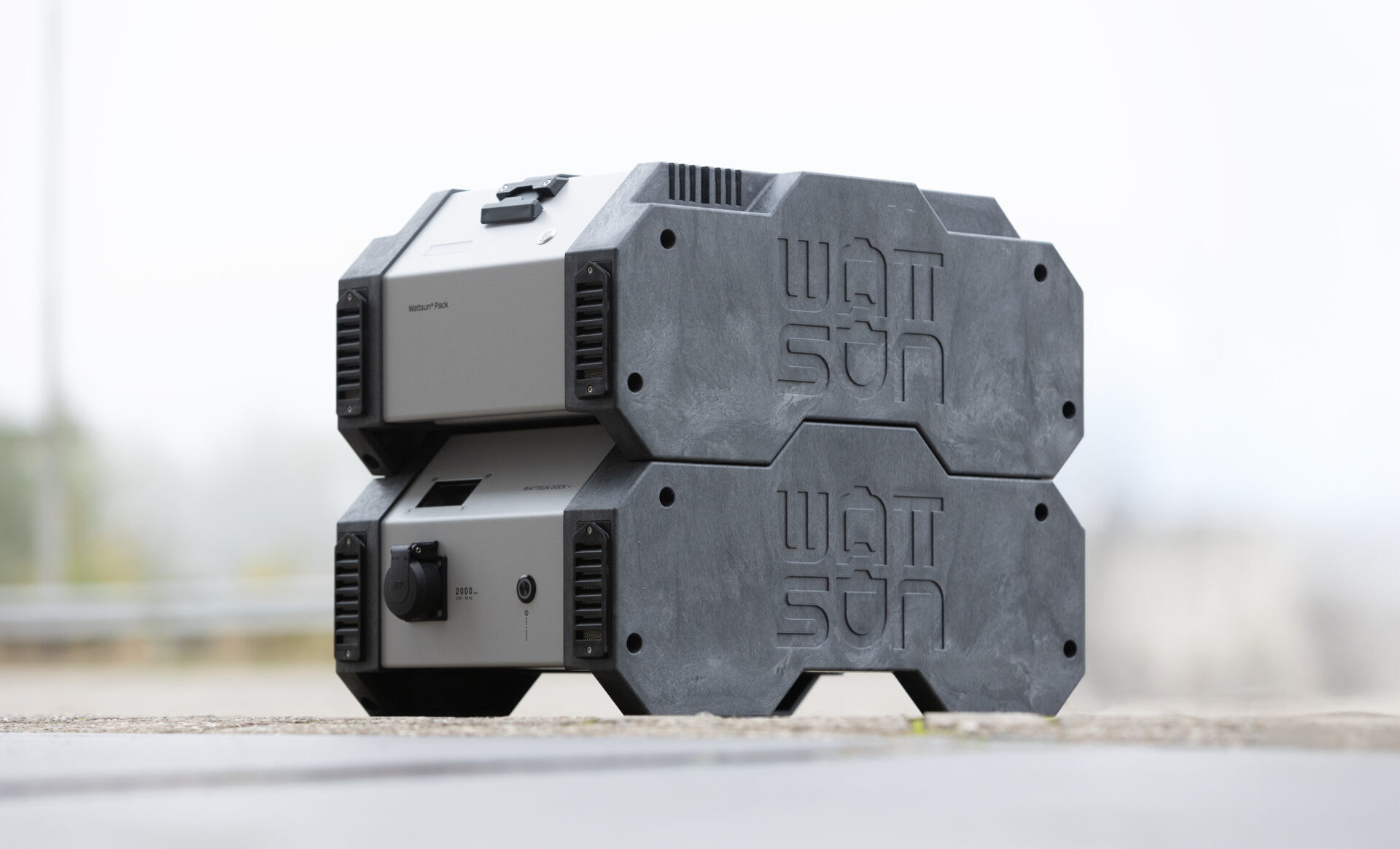
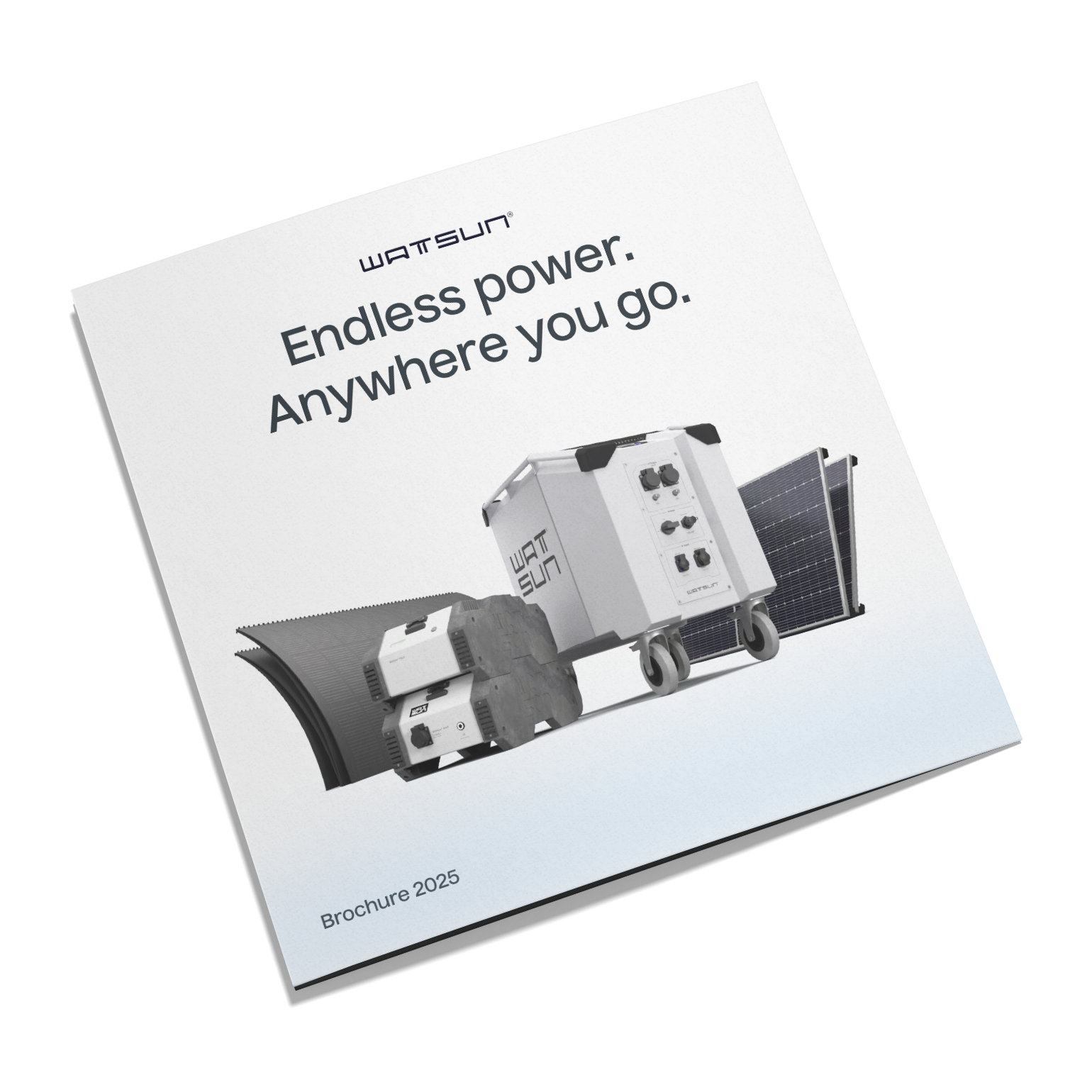
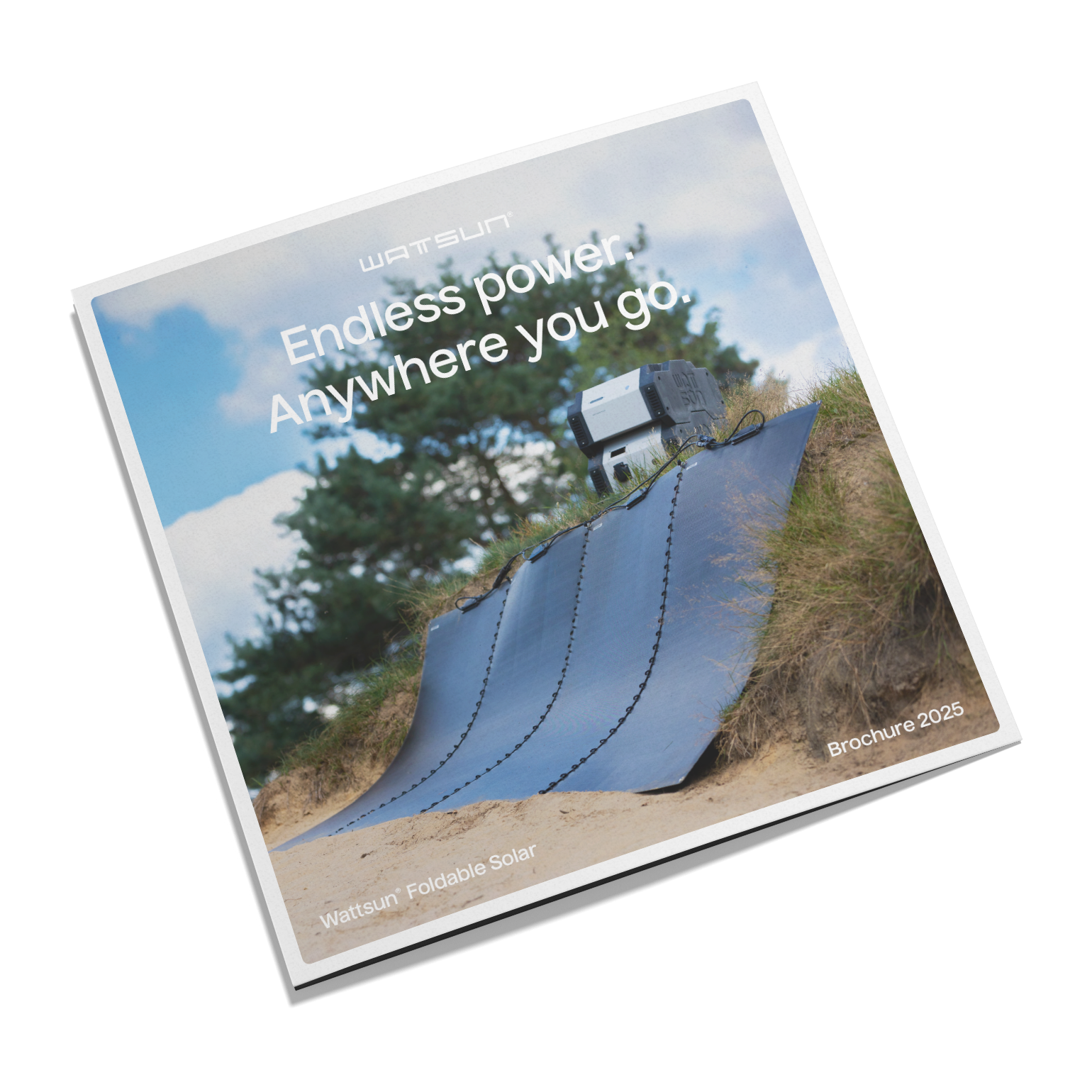
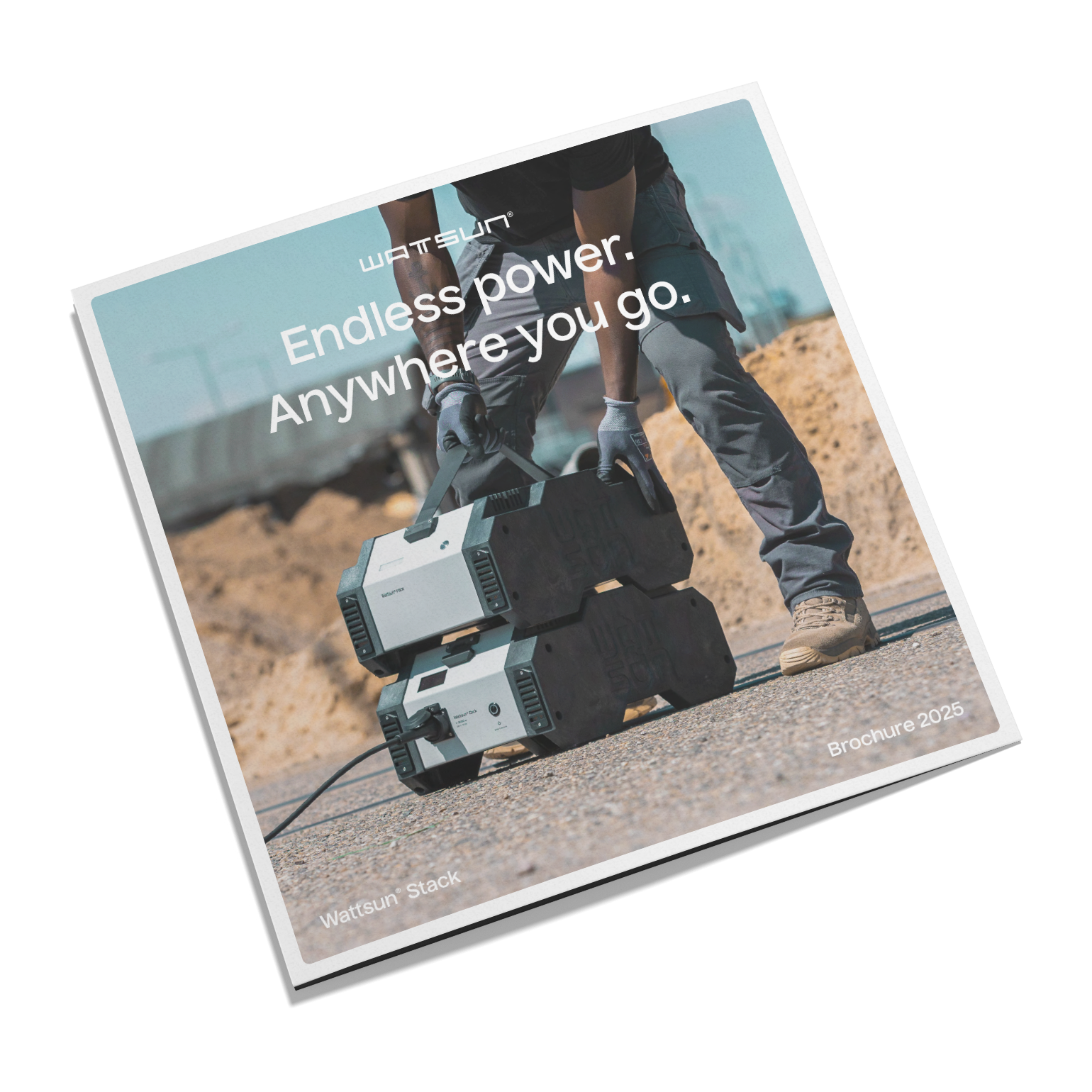
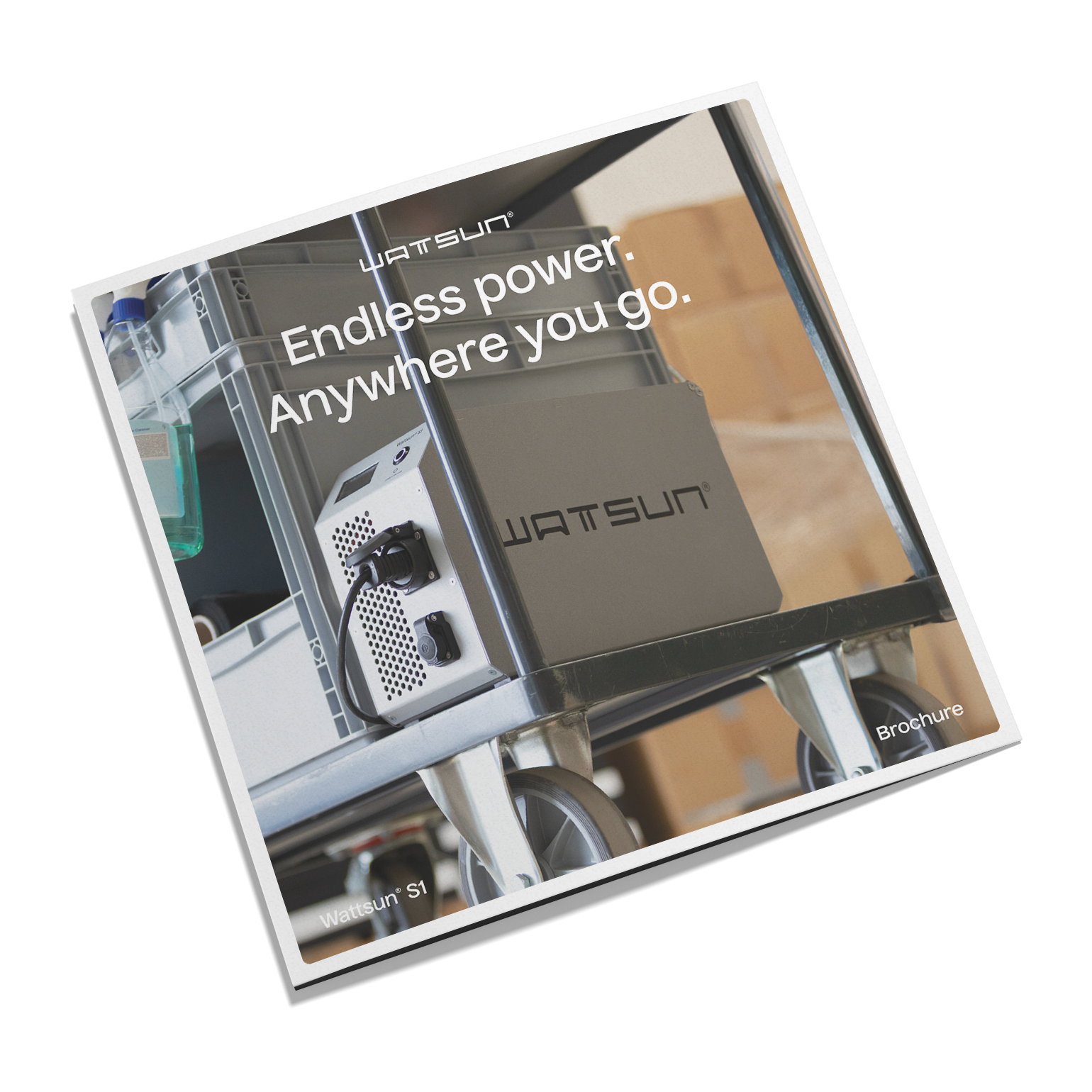
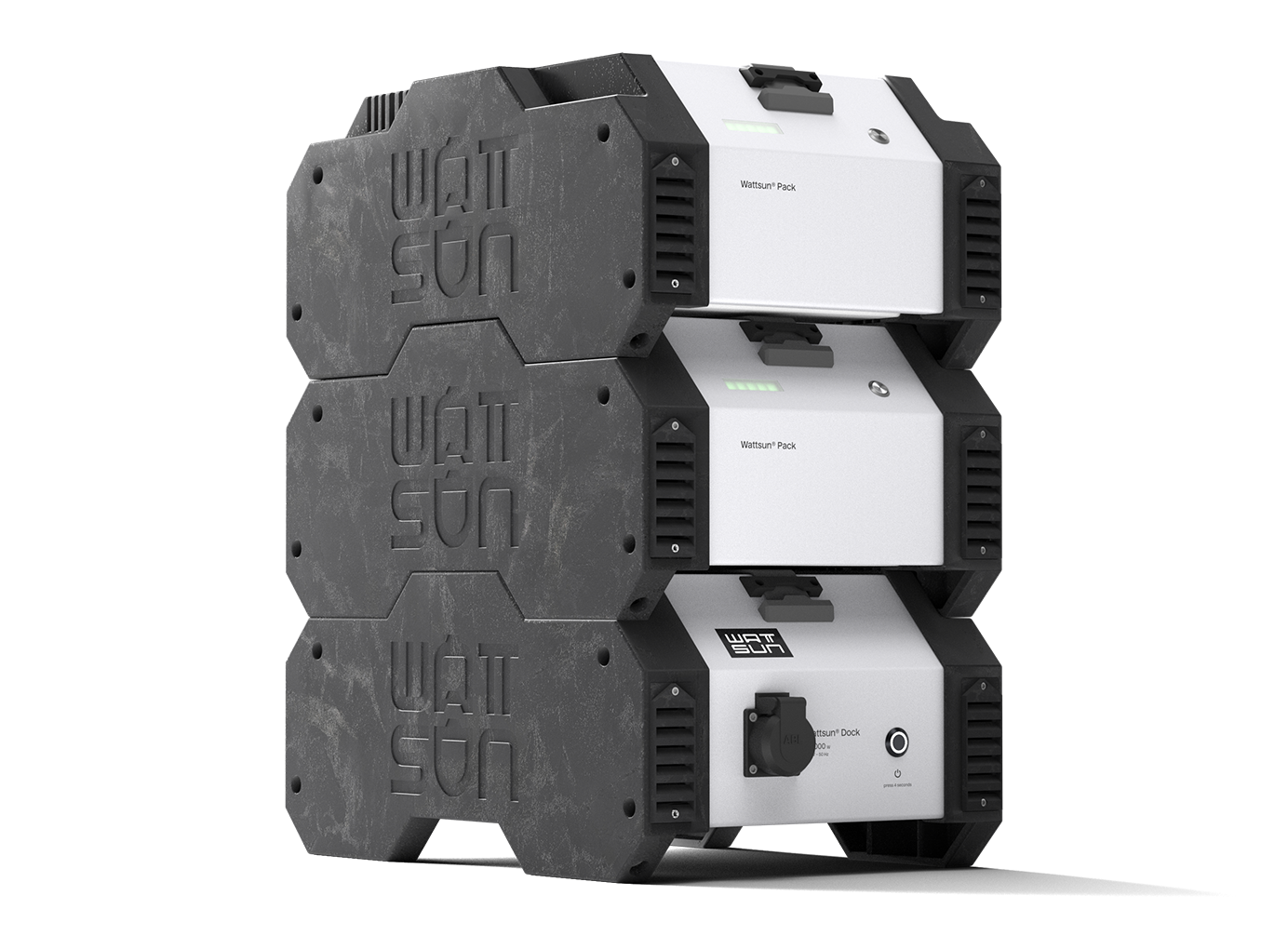
At Wattsun, we work every day on mobile energy solutions for professionals. From Arnhem, we develop battery systems that provide power in locations where no fixed electricity supply is available. From construction sites to events, and from temporary installations to emergency situations.
The developments surrounding grid congestion and energy security show that mobile energy will play an increasingly important role in crisis preparedness. That is why we are developing a solution specifically designed for deployment during prolonged power outages.
A mobile three phase battery system for emergency services
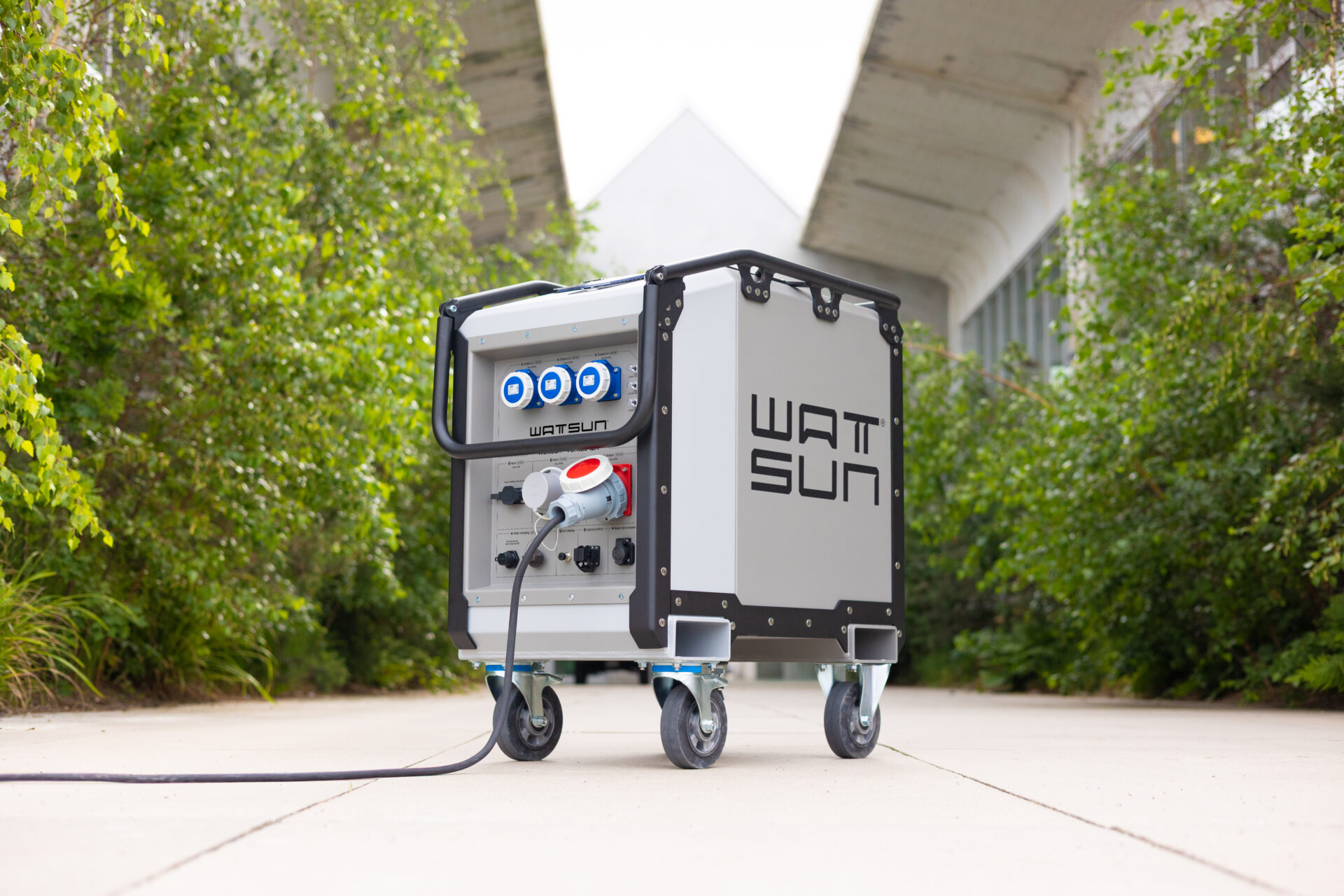
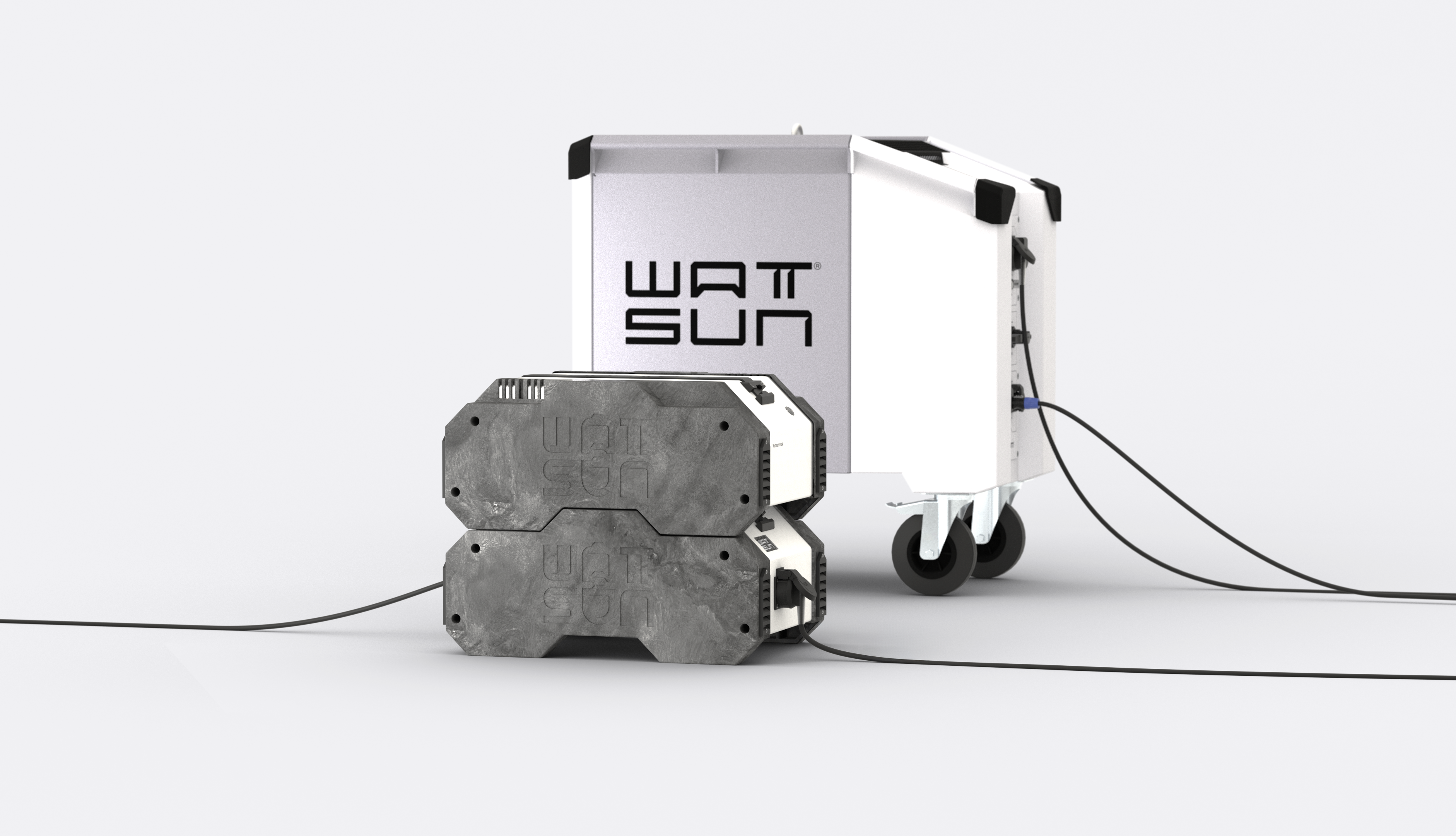
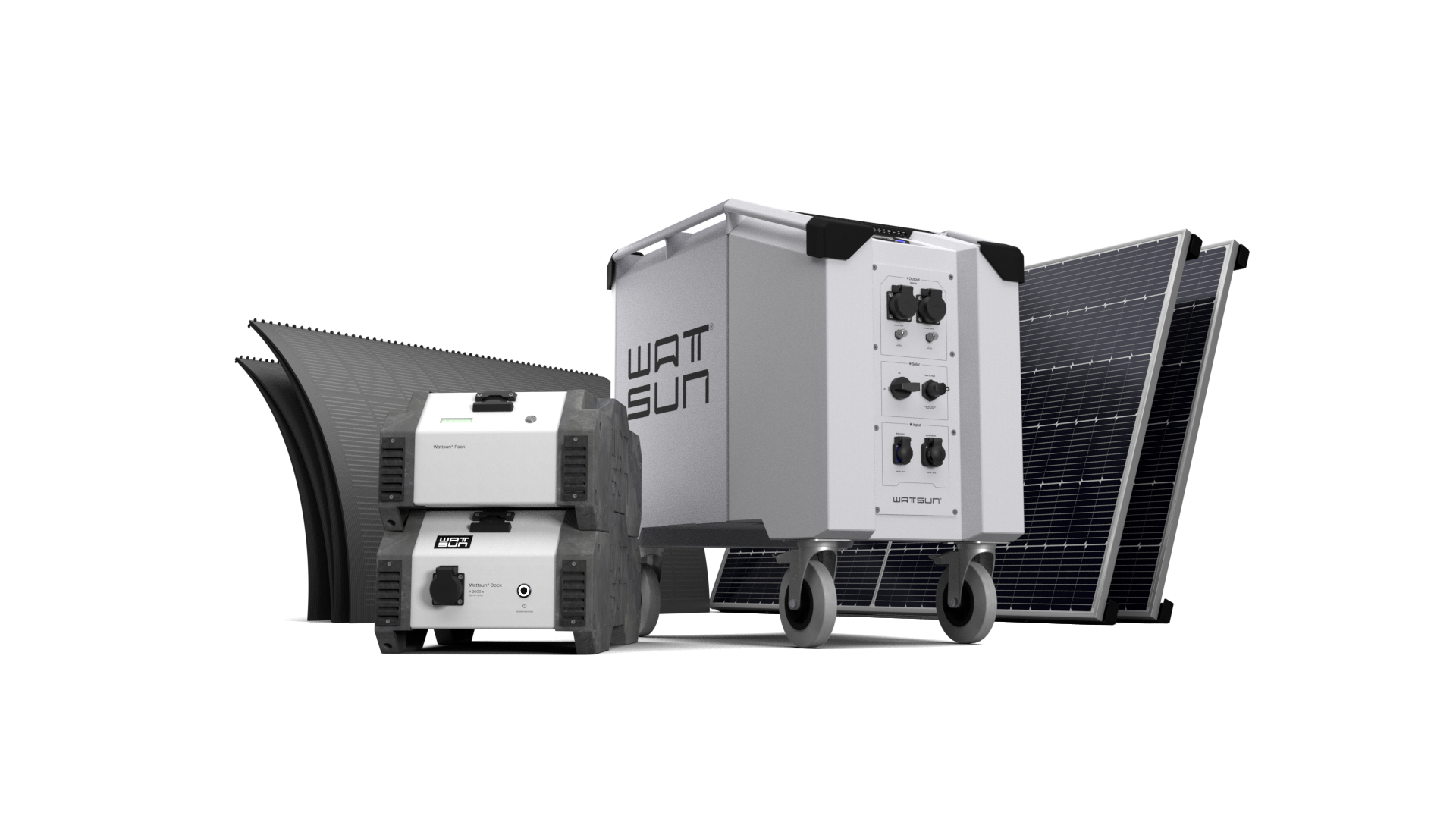
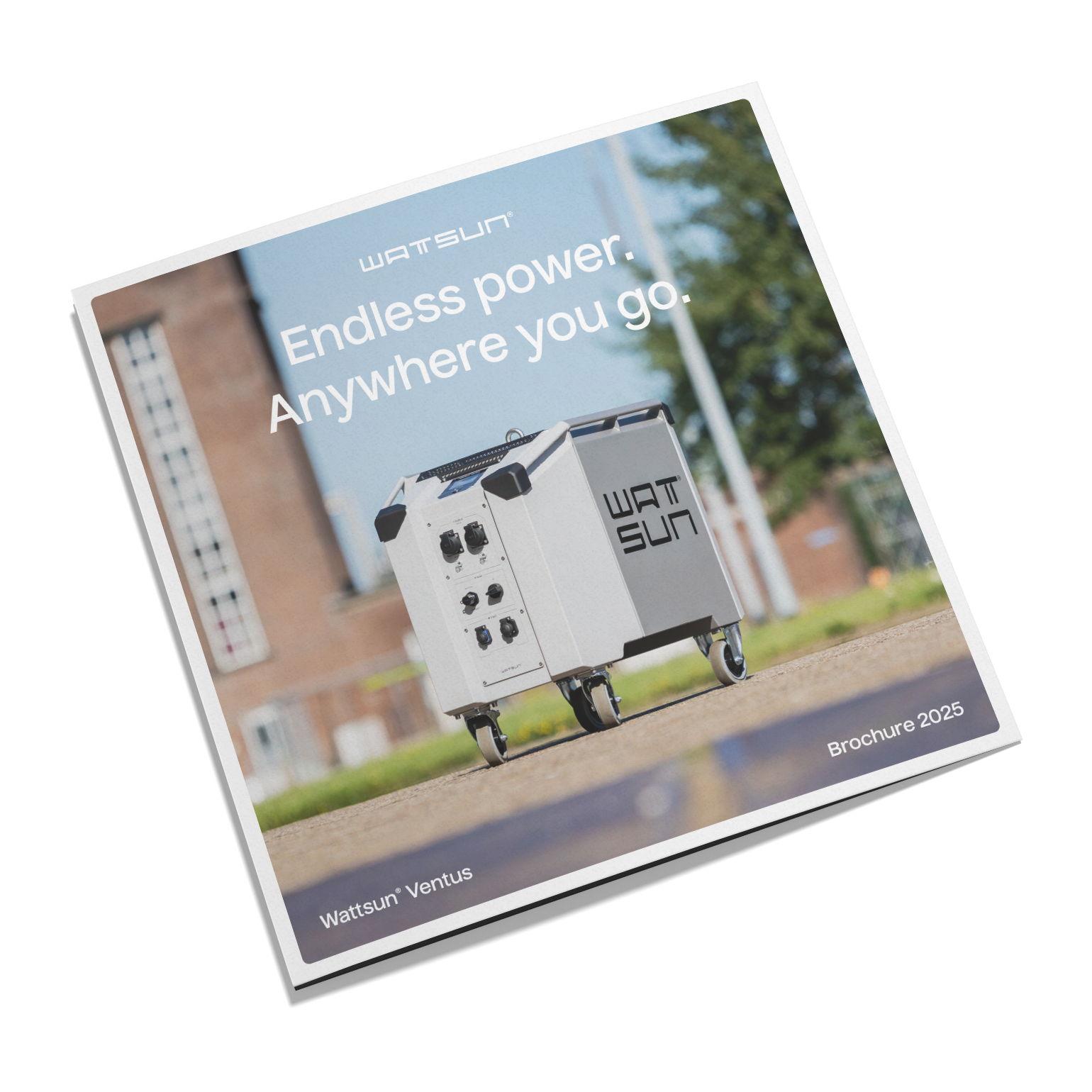
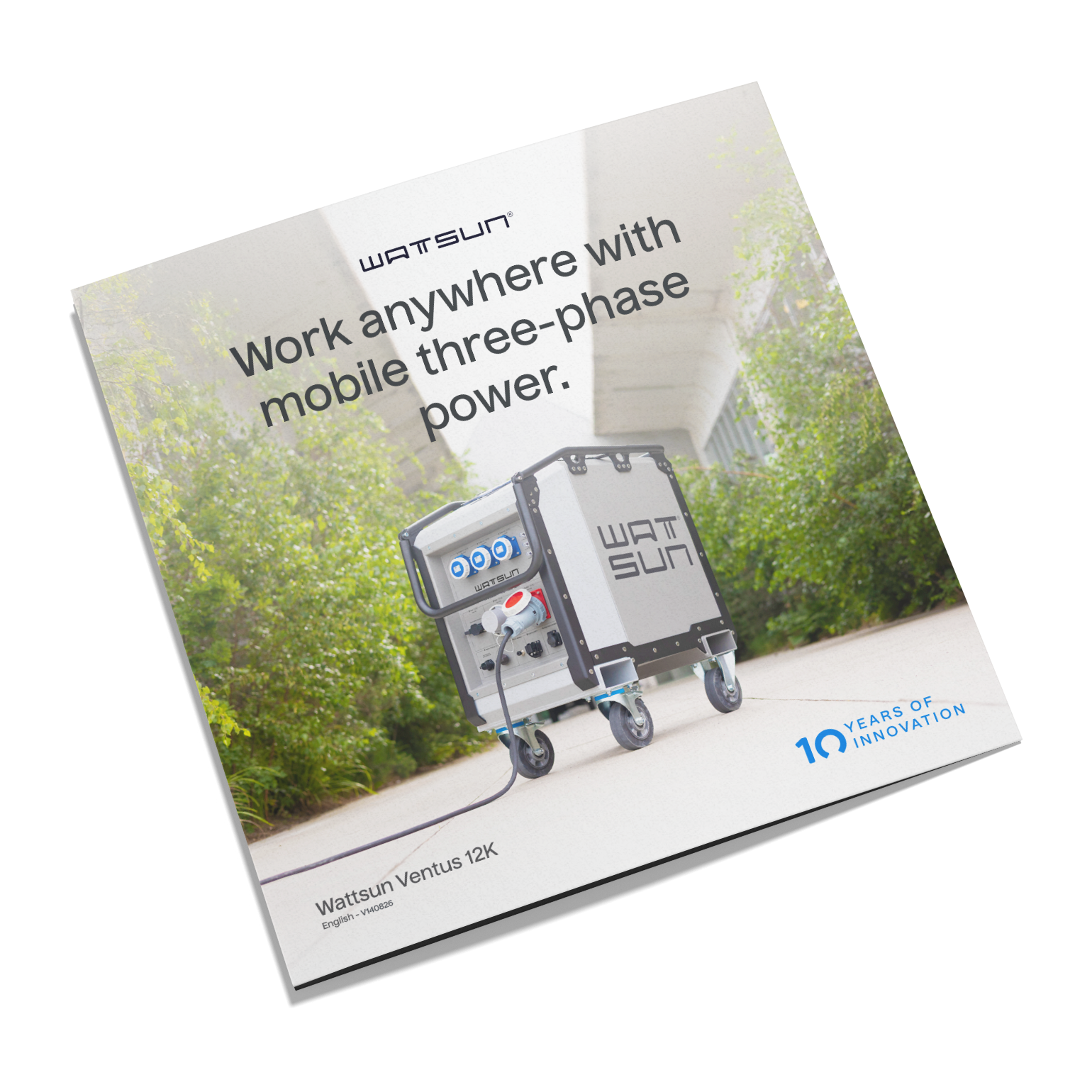
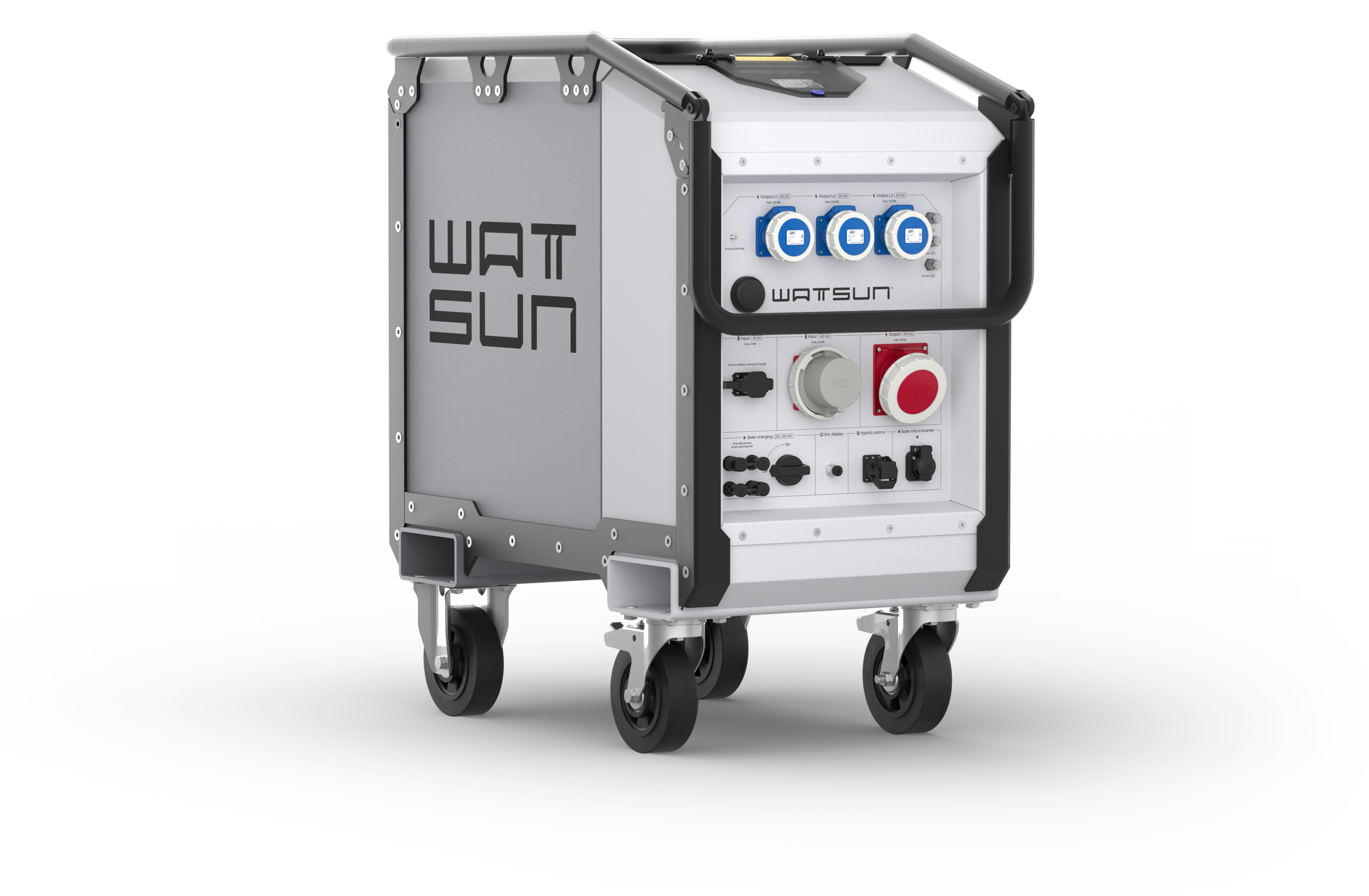
With our concept, we are developing a mobile three phase battery system that enables emergency and safety services to remain operational during crisis situations.
The system operates completely independently from the electricity grid and can be deployed immediately in the field. It provides both standard 230V connections and three phase power, allowing a wide range of equipment to be connected.
A key principle in the development process is simplicity. In emergency situations, technology must be instantly usable. That is why we are creating a solution that can be deployed without complex installation by various emergency services and operational teams.
With this mobile power solution, it becomes possible to:
- keep emergency support locations operational
- maintain functioning traffic lights
- set up temporary communication hubs
- power essential equipment
- support critical processes during outages
Preparing for the first 72 hours
The energy transition is not only about sustainability, but also about reliability and resilience. Prolonged power outages are a scenario for which the Netherlands must become increasingly prepared. With mobile energy solutions, we want to contribute to a situation in which emergency response services and essential facilities can continue operating, especially when it matters most.
Because when the lights go out, emergency services must keep going.